Before dawn, before the patients, before the work begins, a quiet moment of preparation. Four hours of desert stretch ahead, and Dr. Scaduto reviews the day’s cases amid the hum of the aircraft cabin.
Touchdown in Calexico. The team crosses the tarmac with purpose, supplies in hand, ready to bring world-class pediatric orthopaedic care to families who would otherwise travel hundreds of miles to receive it.
A stuffed shark stands guard as Dr. Scaduto examines a young patient’s foot. In his hands: decades of expertise. In this room: a child who doesn’t have to be afraid.
Posture, alignment, possibility. A teenage athlete stands still as Dr. Scaduto assesses his spine, a routine check that could shape the trajectory of his future on and off the field.
Medicine is more than diagnosis; it’s connection. A shared laugh between doctor and patient transforms an exam room into a space where healing feels possible.
He listens. In pediatric care, this is everything, meeting a child at eye level, earning trust before making assessments, treating the whole person rather than just the condition.
Complex care requires presence. Dr. Scaduto consults with a young patient whose mobility needs are significant, her specialized chair a reminder that expertise like his doesn’t often reach communities like Calexico.
Three hands, one child. A mother steadies her son as Dr. Scaduto guides him through an exam, a portrait of the partnership between family and physician that defines LuskinOIC’s approach.
Joy, unfiltered. Behind them, X-rays glow on a monitor. Between them, laughter. This is what it looks like when a child feels seen, heard, and hopeful about her future.
Homeward bound. After a morning of back-to-back consultations, Dr. Scaduto’s smile tells the story: tired, fulfilled, already thinking about when they’ll return.
The team that made it happen. As the Calexico sky stretches wide behind them, the LuskinOIC team stands united by a shared conviction: every child deserves access to exceptional care, no matter where they live.
LuskinOIC staff and volunteers from Orthopaedic Medical Magnet High School and Los Amigos brought holiday festivities to patients at the Calexico Border Clinic. Ozzie and Santa joined the fun as every child received toys, LuskinOIC footballs, books and dolls from The Jester & Pharley Fund, and holiday crafts from Las Amigas. The International Children’s Program embodies our commitment to ensuring geography never determines a child’s access to quality orthopaedic care.
Luskin Orthopaedic Institute for Children (LuskinOIC) welcomed more than 1,000 pediatric patients and families to its Downtown Los Angeles campus for the nonprofit’s 36th Annual Toys & Joy Holiday Party – a tradition rooted in compassion, care, and community support.
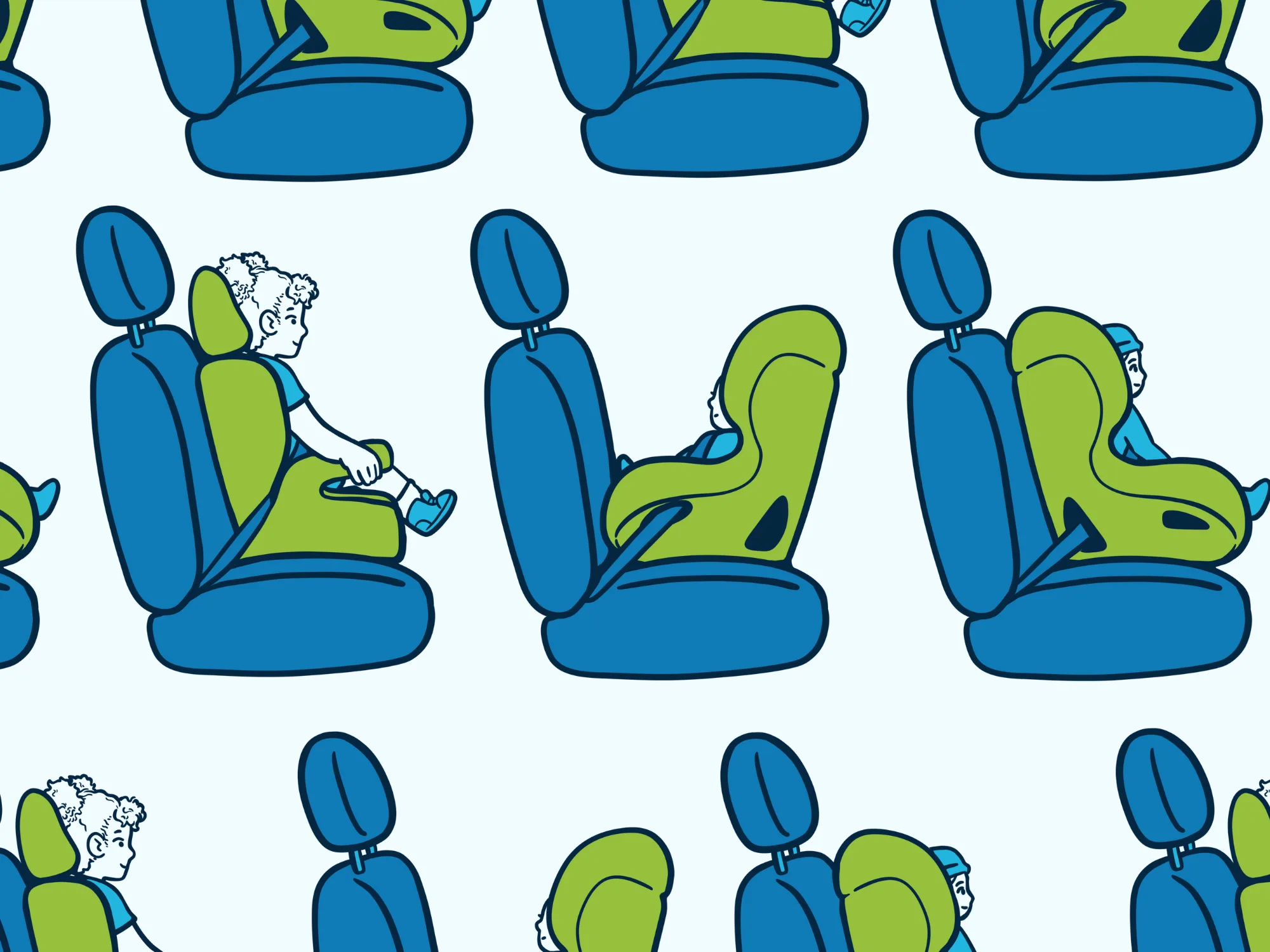
Motor vehicle crashes are one of the leading causes of injury and death for children, but using the right car seat properly can make a life-saving difference. According to safety data, a properly used child safety seat can drastically reduce a child’s risk of death in a crash, especially for infants and toddlers. From the moment a newborn heads home from the hospital, caregivers should have an age and size appropriate seat ready, and always secure every child in the back seat, which remains the safest place up through age 12.
Choosing the correct type of seat is an important first step. Rear-facing car seats offer the best protection for infants and should be used as long as possible within the seat’s height and weight limits before transitioning to a forward-facing seat with a harness, and later to a booster that helps a growing child use the vehicle’s seat belt correctly. Each stage has specific requirements tied to a child’s development, and moving up too soon can compromise safety.
Proper installation and consistent use make all the difference. Always follow the car seat manufacturer’s instructions and those in your vehicle’s owner’s manual to ensure a secure fit, and consider local resources like fire stations or certified technicians who can help check your installation. Be sure to register your car seat with the manufacturer to receive recall updates, and never place a child on an adult’s lap, even for short trips, as the force of a crash can be devastating. With thoughtful selection, careful installation, and everyday use, you can significantly increase your child’s safety on the road and protect what matters most.
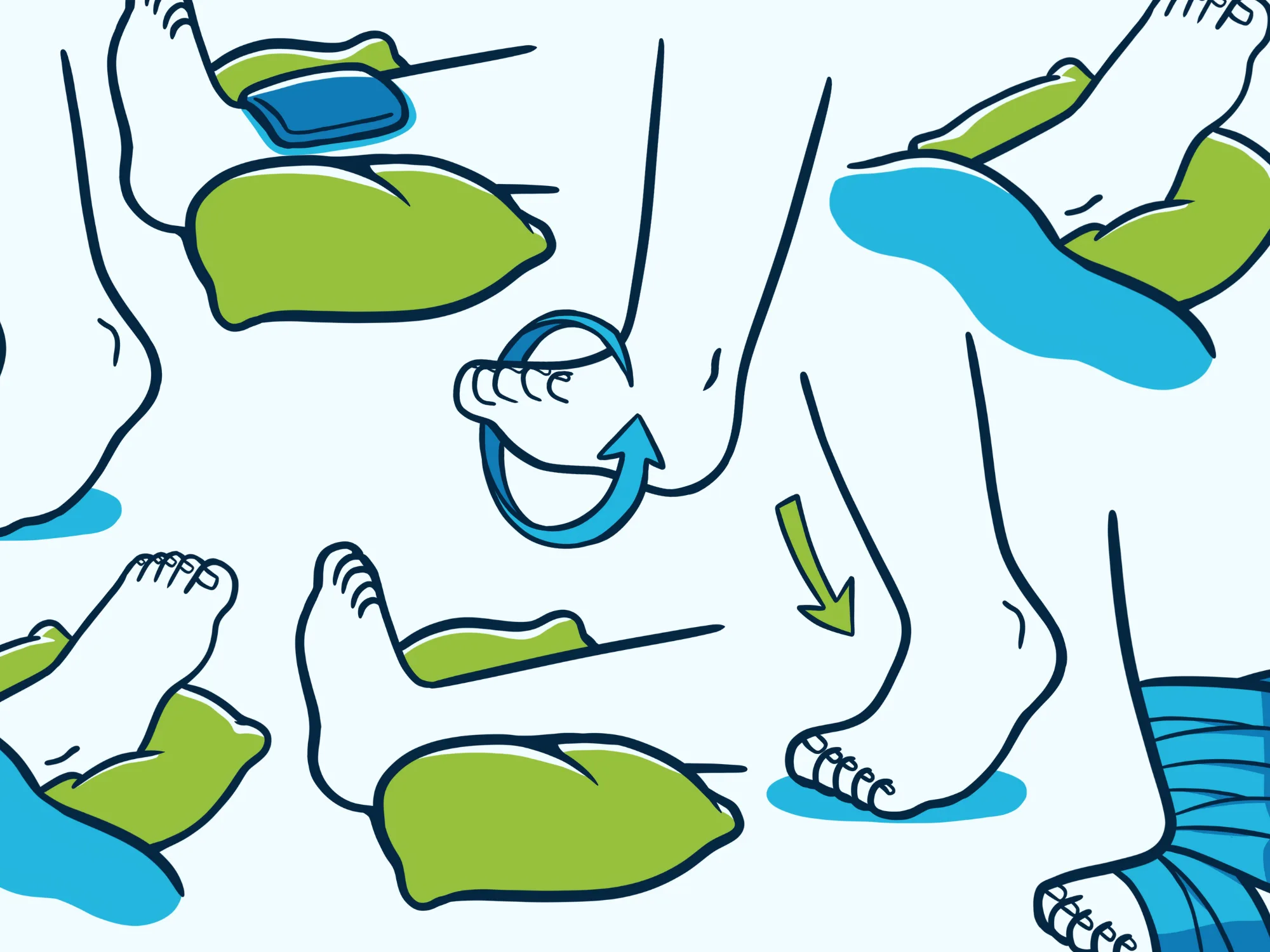
When kids get hurt during sports or play, parents often reach for familiar advice. For years, R.I.C.E. has been the standard response, but sports medicine for children has evolved. Young athletes heal differently from adults, and they benefit from an approach that protects the injury while keeping the body moving. That is why our orthopaedic team now recommends the L.U.S.K.I.N. Method, a more modern, kid-focused way to support safe, steady recovery.
This method supports healing through a balance of rest, movement, and protection, making it ideal for young, active bodies.
What L.U.S.K.I.N. Stands For
L – Load
After 48–72 hours of rest, begin gently reintroducing movement and weight. Light loading helps keep muscles strong and prevents stiffness
U – Use Compression
Elastic wraps or sleeves reduce swelling and provide stability. Compression should feel snug, not tight.
S – Stay Moving
Pain-free movement speeds healing. Simple exercises help maintain flexibility and prevent scar tissue without returning to full activity.
K – Keep It Elevated
When resting, keep the injury above heart level to decrease swelling and discomfort.
I – Ice for Pain
Use ice for 15–20 minutes at a time to reduce pain and inflammation, especially after activity.
N – New Injuries Need Rest
The first 24–72 hours are crucial. Rest protects the injury and allows inflammation to settle.
How to Use the L.U.S.K.I.N. Method
Days 1–3: Focus on rest, elevation, ice, and compression.
Days 3–7: Add gentle movement and light loading.
Week 2+: Gradually increase activity as comfort improves.
When to See a Doctor
Get medical care if your child has:
Severe or worsening pain
Increasing swelling
Trouble bearing weight
Numbness or color changes
A visible deformity or suspected fracture
The L.U.S.K.I.N. Method helps kids recover safely and return to what they love. If you’re unsure how to apply it for your child’s injury, our orthopaedic team is here to help.
By Dr. Shane Hervey, LuskinOIC Center for Sports Medicine
With the holiday season in full effect, there is a transition in sports for our young athletes. Our contact or flag football athletes may be exchanging cleats for the latest basketball shoes, and our volleyball players may be going from the courts to the soccer pitch. With this transition comes a different set of injuries and conditions that your child may experience. As an expert in primary care sports medicine, I’m here to highlight three common injuries in winter sports, how they happen, how to prevent them, and how to treat them.
1) Ankle sprains
How do ankle sprains happen?
Ankle sprains are among the most common sports injuries. They occur more frequently in athletes who change directions quickly or jump and land on another athlete. When someone “rolls” their ankle, the ligaments (the tissues that connect bones to provide support) are stretched or torn due to the sudden inward or outward movement of the ankle. In addition to the type of sport being played, another risk factor is a prior ankle sprain, especially in the 6–12 months following the injury.
How to prevent ankle sprains
If your child has recently suffered an ankle sprain, it is important to regain strength and stability through home exercises and/or physical therapy. Regardless of recent injury, it may also be beneficial to support the ankle using a brace or athletic tape.
How to treat ankle sprains and when athletes can return to play
A sports medicine physician will examine the ankle and determine the next steps, including whether imaging is needed (usually an X-ray to ensure the bones are not broken), rehabilitation, medications, immobilization (in an ankle brace or walking boot), or crutches. Most simplesprains can be treated with rest, ice, compression, and elevation. Additionally, a provider may prescribe a nonsteroidal anti-inflammatory drug (NSAID) to assist with pain and inflammation.
As pain improves, functional exercises become essential. Sprains disrupt the neuromuscular connection (nerve-muscle communication) by damaging the ankle’s sensors (proprioception), which leads to poor balance and a higher risk of re-injury [1][6-7]. Physical therapy retrains this connection through balance and strength exercises, restoring stability and significantly reducing the chance of future sprains [4-6]. A home exercise program may also be prescribed.
Return to sport is safe when the athlete can run, jump, and cut without pain.
2) Patellar tendinopathy (“Jumper’s Knee”)
What is patellar tendinopathy?
A tendon connects a muscle to a bone. The patellar tendon connects the kneecap (patella) to the top of the shin bone (tibia). Patellar tendinopathy, also known as jumper’s knee, occurs withrepeated stress to the patellar tendon from activities like repetitive jumping, running, cutting, or changing direction. Thisstress causes tiny tears to the tendon, leading to degeneration and pain at the front of the knee.
How to prevent patellar tendinopathy
As mentioned by LuskinOIC Sports Medicine Associate Director Dr. Joshua Goldman, gradually increasing training volume can reduce the risk of overuse injuries such as patellar tendinopathy. Ensuring correct running, jumping, and landing mechanics by strengthening the muscles in the buttocks, thighs, lower legs, and core (abdominal muscles) can also help.
How to treat patellar tendinopathy
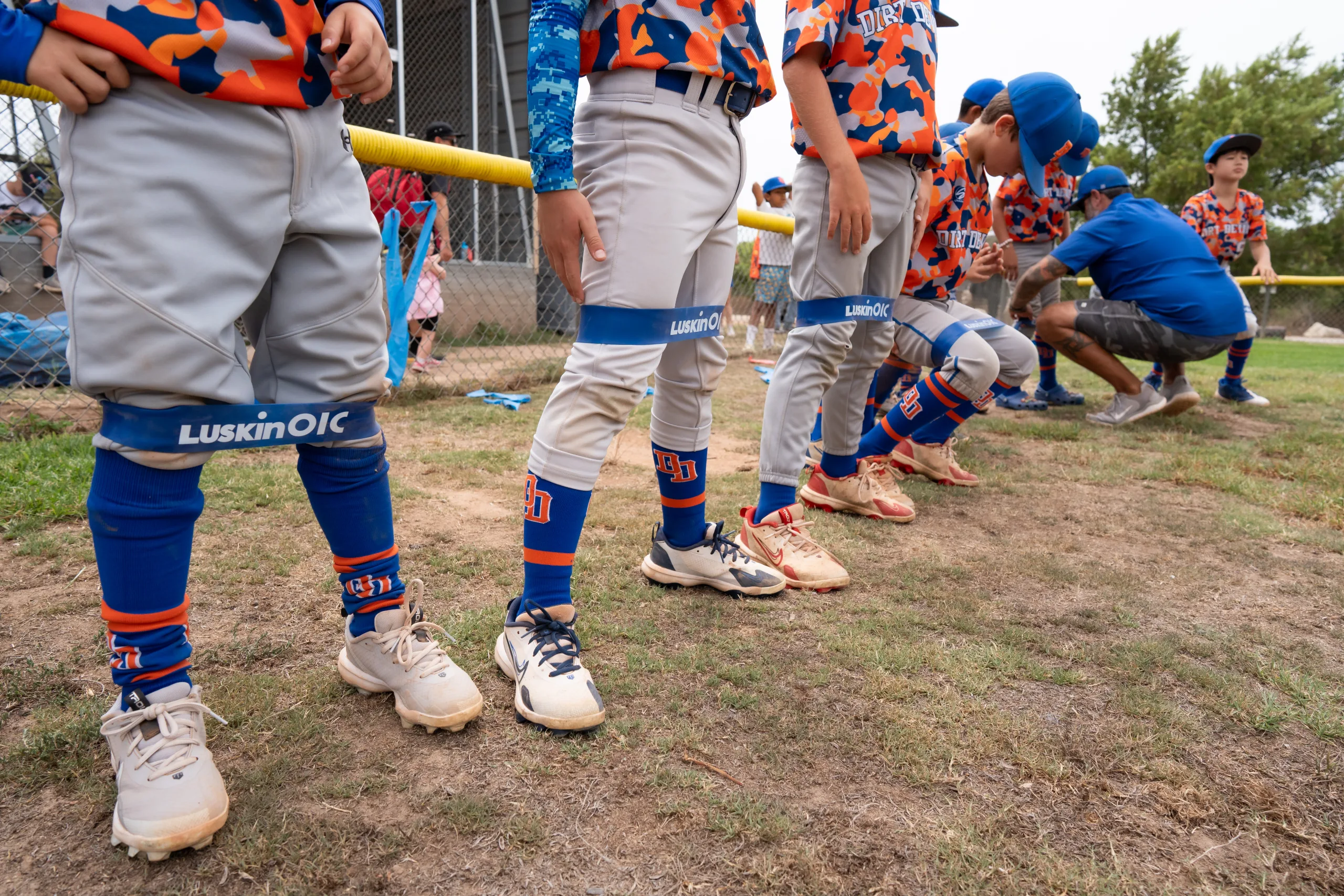
Treatment often begins with rest to reduce stress on the tendon. To help with pain and/or swelling, a patellar strap, knee brace, and ice may be beneficial. NSAIDs may also be used to help with pain.
Physical therapy is essential for strengthening the leg muscles. For tendon healing, research supports progressive tendon loading (like isometric holds) and eccentric exercise therapy. Eccentric exercises strengthen the muscle while lengthening the tendon, such as slowly controlling the return phase of a knee extension machine [2]. Tendon healing can take months, so consistent rehabilitation is key.
3) ACL injury
How do ACL injuries occur?
The anterior cruciate ligament (ACL) is one of four major ligaments of the knee. It connects the femur (thigh bone) to the tibia (shin bone). The other three are the posterior cruciate ligament (PCL), lateral collateral ligament (LCL), and medial collateral ligament (MCL). The ACL stabilizes the knee during sudden stops, cuts, or pivots.
ACL injuries range from sprains (stretching of the ligament without tearing) to partial or full-thickness tears. Most ACL injuries are non-contact injuries, though they may also result from collisions. Muscle imbalance, female sex (may be related to hormone fluctuations as it relates to menstrual cycle; [3]), prior ACL injury, and high-intensity physical activity are risk factors.
How to prevent ACL injuriesExercise programs guided by an athletic trainer, physical therapist, or other trained professional that incorporate plyometrics, strength, agility, balance, and feedback on movement technique can reduce ACL injury risk. An example of this is our Luskin OIC injury prevention program.
Prevention exercises should start in the preseason and continue throughout the season. Proper warmups, balance training, and professional evaluations for individuals at high risk (such as those with prior ACL injury) can also help.
How to treat ACL injuries
Sports medicine professionals can assess ACL stability with a physical examination. It can be difficult to accurately assess the ACL immediately after an injury due to pain and swelling. X-rays can rule out bone injury, while MRI confirms an ACL injury and identifies additional soft-tissue damage.
Not all ACL injuries require surgery. The decision depends on multiple factors, including desired activity level and whether other knee structures were damaged.
If surgery is recommended, it likely won’t happen right away. Pre-rehabilitation is essential to restore range of motion, reduce swelling, and build strength before surgery. Return to sport after ACL reconstruction generally requires 9–12 months of recovery and rehabilitation.
References:
1. Alghadir AH, Iqbal ZA, Iqbal A, Ahmed H, Ramteke SU. Effect of Chronic Ankle Sprain on Pain, Range of Motion, Proprioception, and Balance among Athletes. Int J Environ Res Public Health. 2020;17(15):5318. Published 2020 Jul 23. doi:10.3390/ijerph17155318 2. Breda SJ, Oei EHG, Zwerver J, et al. Effectiveness of progressive tendon-loading exercise therapy in patients with patellar tendinopathy: a randomised clinical trial. Br J Sports Med. 2021;55(9):501-509. doi:10.1136/bjsports-2020-103403 3. Herzberg SD, Motu’apuaka ML, Lambert W, Fu R, Brady J, Guise JM. The Effect of Menstrual Cycle and Contraceptives on ACL Injuries and Laxity: A Systematic Review and Meta-analysis. Orthop J Sports Med. 2017 Jul 21;5(7):2325967117718781. doi: 10.1177/2325967117718781. PMID: 28795075; PMCID: PMC5524267. 4. Holmes A, Delahunt E. Treatment of common deficits associated with chronic ankle instability. Sports Med. 2009;39(3):207-224. doi:10.2165/00007256-200939030-00003 5. Kaminski TW, Hertel J, Amendola N, et al. National Athletic Trainers’ Association position statement: conservative management and prevention of ankle sprains in athletes. J Athl Train. 2013;48(4):528-545. doi:10.4085/1062-6050-48.4.02 6. Martin RL, Davenport TE, Fraser JJ, et al. Ankle Stability and Movement Coordination Impairments: Lateral Ankle Ligament Sprains Revision 2021. J Orthop Sports Phys Ther. 2021;51(4):CPG1-CPG80. doi:10.2519/jospt.2021.0302 7. Mattacola CG, Dwyer MK. Rehabilitation of the Ankle After Acute Sprain or Chronic Instability. J Athl Train. 2002;37(4):413-429.
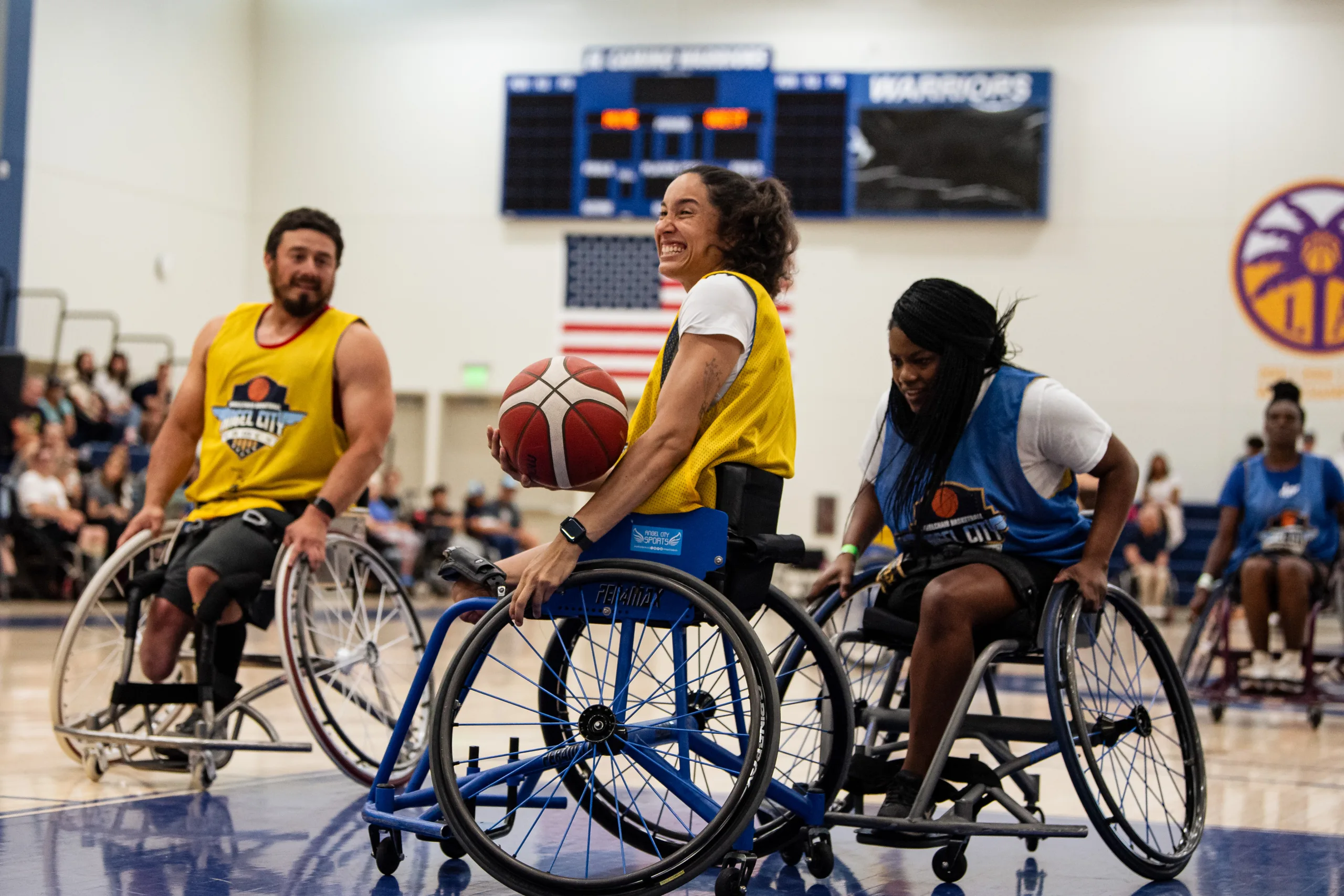
LuskinOIC closed out the calendar year by proudly supporting the 8th Annual LA Hotwheels NWBA Wheelchair Basketball Tournament, one of Southern California’s premier adaptive sports competitions. The weekend featured elite competition from programs including the University of Arizona’s National Champion Wheelchair Basketball Team, the Golden State Road Warriors, the Rancho Renegades, the Los Angeles Clippers Chairmen, with other top-ranked squads.
Just days later—despite an epic rainstorm—our team also supported the Triumph Foundation Adaptive Sports Festival, which brought together more than 200 people with disabilities for a full day of community, movement, and resource sharing. Participants engaged in wheelchair basketball, wheelchair rugby, adapted boxing, arts and crafts, and more, all alongside service providers and community partners.
These events continue to strengthen the bridge between LuskinOIC and the broader disability community as we work to expand access, visibility, and opportunities for people with disabilities throughout Southern California.
As Disability Community Liaison for LuskinOIC and co-founder of Thrive Adaptive, Joe Holt played a key role in bringing together the necessary interdisciplinary specialists, including behavioral health professionals, lived-experience participants, MDs, and DOs who shaped WesternU’s first NICHE-MED learning module. This collaboration ensured students received a community-grounded curriculum centered on high-quality care for individuals with intellectual and developmental disabilities (IDD).
The NICHE-MED program began with an online module co-developed by Joe Holt, Jamie Currie, WesternU College of Osteopathic Medicine (COMP) faculty, and the Harris Family Center for Disability and Health Policy. This virtual foundation introduces essential communication strategies, sensory considerations, and clinical expectations, preparing students for deeper hands-on learning.
The Wellness Visit Workshop then brought student doctors into direct practice with patients living with autism and IDD in the Sarkaria Family Patient Simulation Suite. The workshop united DOs, MDs, podiatric faculty, disability policy experts, and communication partners. Students practiced adaptive communication, shared decision-making, and sensory-aware care in a realistic and supportive setting.
Joe Holt and Western U. students
Altogether, 313 students completed the online module, and 54 students worked directly with 16 lived-experience participants. This interdisciplinary environment—rare in most medical schools—provided meaningful exposure to a patient population that frequently faces disparities in care.The NICHE-MED grant was secured through a partnership among COMP, the Harris Family Center, and Thrive Adaptive, with LuskinOIC’s strong support of Thrive Adaptive’s mission to prepare aspiring clinicians to serve people with disabilities. With two additional modules forthcoming, WesternU continues to establish a leading model for disability-inclusive medical education.
[Top photo: Paralympian Ezra Frech and Angel City Sports players]
The holidays are a season of generosity, and our annual Toys & Joy Drive is a wonderful chance to share that spirit by brightening a child’s day. From now until December 5, we’re gathering new, unwrapped toys to ensure every child at our holiday celebration feels the magic of this special time of year.
We’re looking for toys and gifts priced at about $15, appropriate for kids of any age. Games, stuffed animals, craft kits—anything fun and engaging can help make a child’s holiday truly memorable.
Contributing is simple. You can drop off a new toy at our Downtown LA location or choose a gift through our Amazon Gift List for a quick, convenient way to participate. Each donation plays a part in creating a warm, inclusive holiday experience for families in our community.
Let’s join together to make this season shin, one toy and one joyful moment at a time.
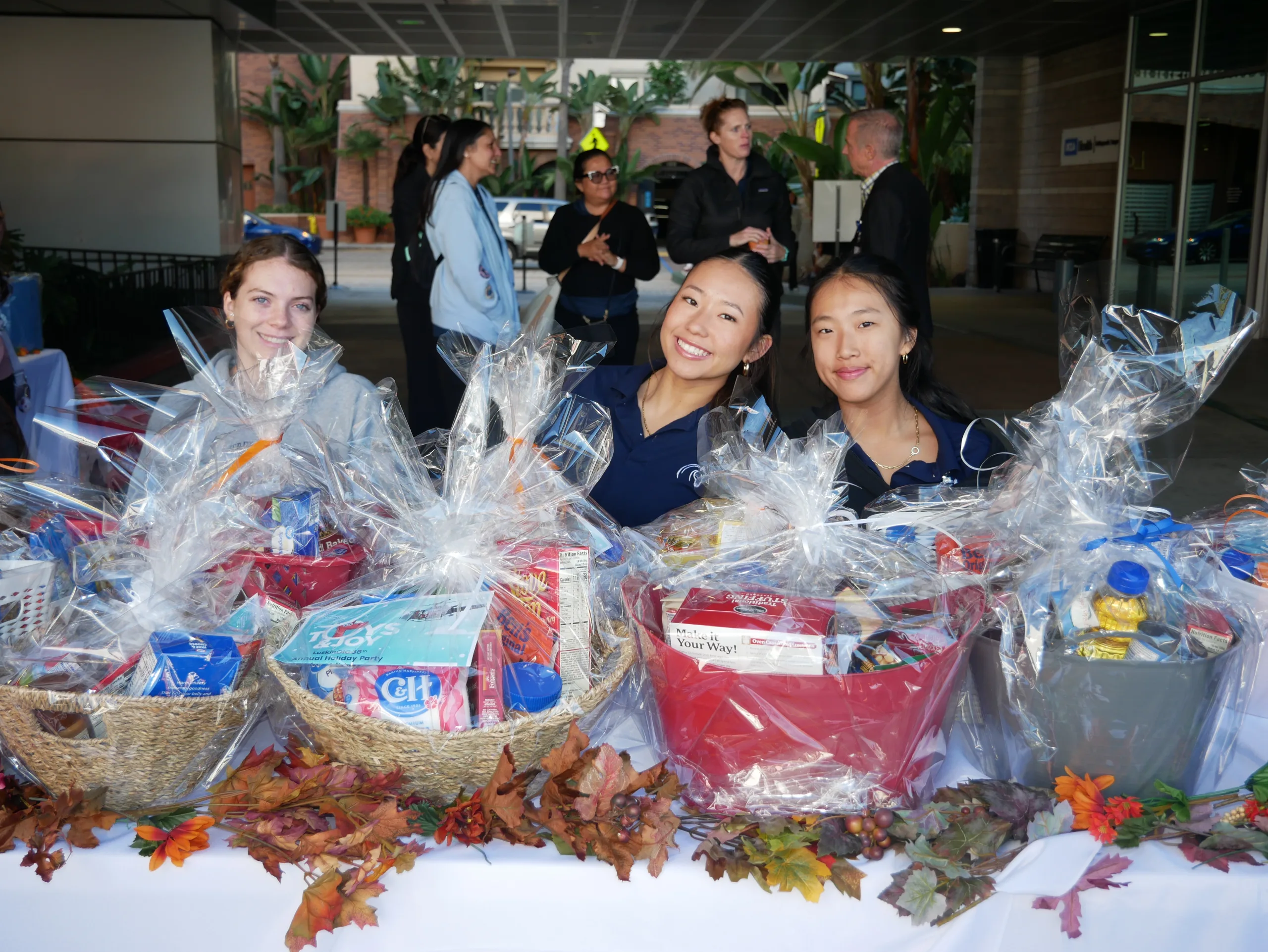
This year’s Holiday Food Basket Giveaway took place on Tuesday, November 25, at our Downtown LA campus. What once started as a simple act of kindness has grown into a heartfelt community tradition that continues to make a lasting impact.
For more than 25 years, our Holiday Food Basket Giveaway has been one of LuskinOIC’s most meaningful traditions, created to ensure that every patient and family in our community could enjoy the Thanksgiving they deserved. What began as a small effort to give back grew into a beloved event that brought together staff, volunteers, and community partners to support families each year.
Vice President Michael Sullivan with support group volunteers
Five years ago, the program became even more personal. Through family surveys, our team began tailoring each basket to meet the specific needs and wishes of the families we served, creating a more thoughtful and dignified experience. From pantry staples to festive favorites, each basket was assembled with care and gratitude, reflecting the compassion and generosity that define our community.
Over the years, our Holiday Food Basket Giveaway became more than an event; it became a celebration of unity, resilience, and the enduring spirit of giving. No matter what challenges our community faced, LuskinOIC families, staff, and volunteers came together to ensure that everyone could share in the warmth, joy, and togetherness that the holiday season represents.
Together, we shared gratitude, hope, and the joy of giving, one basket at a time.
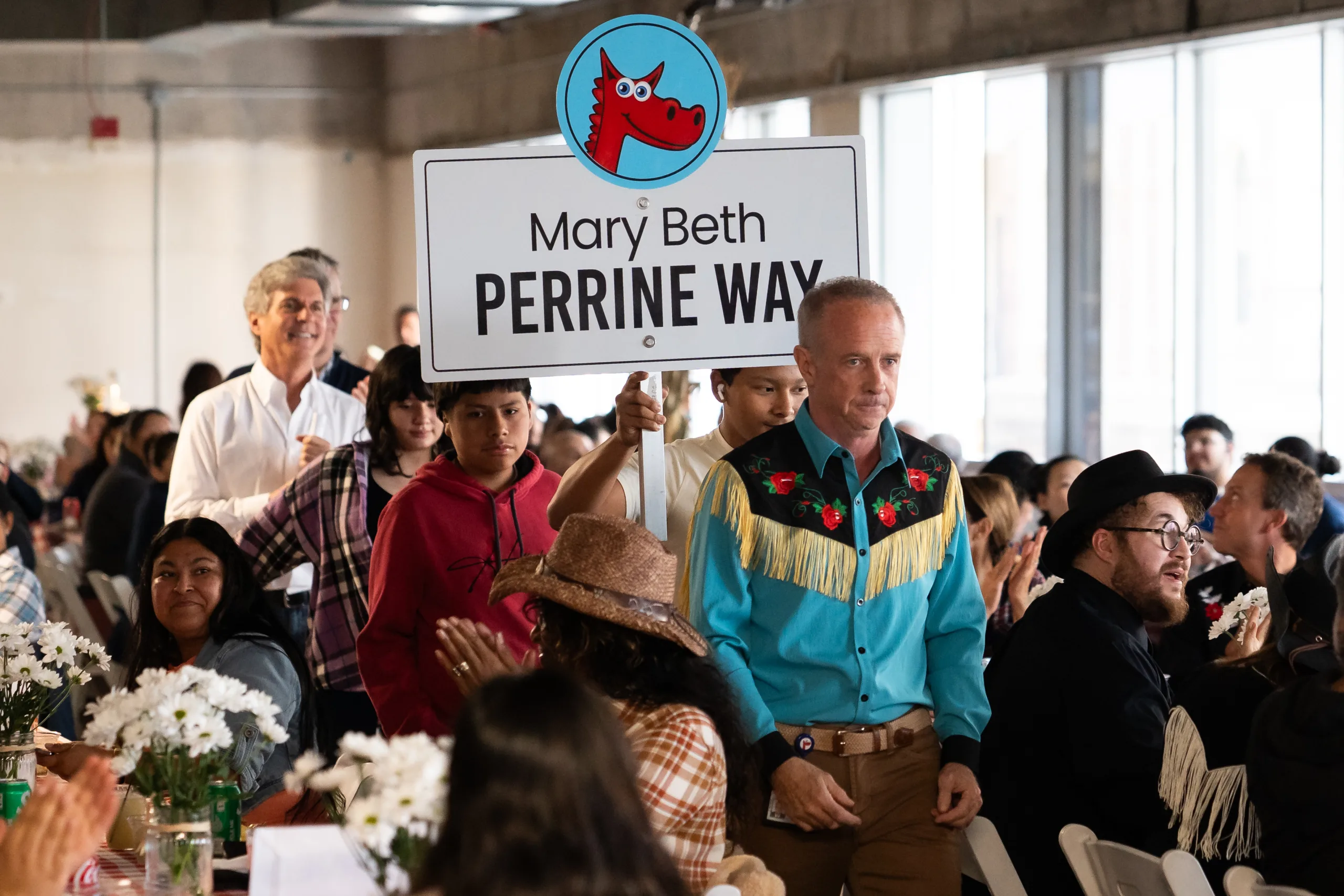
On November 17, cowgirls and cowboys descended on LuskinOIC as we celebrated Mary Beth Perrine at her Retirement Hoedown. More than 200 esteemed guests joined us as we commemorated Mary Beth and her more than 36 years with the organization. The fifth floor of the Luskin Pavilion was transformed into a country western venue, featuring hay bales and signature red checkered tablecloths. Country music performed by the Country Vision Band filled the space as everyone chowed down on fried chicken and enjoyed mocktails from Curly Bartender. Attendees even got time on the dance floor, taking square dancing lessons.
Assistant Vice President Mary Beth Perrine with board members Assistant Vice President Mary Beth with staff members
Members of our Board spoke to Mary Beth’s impact and legacy, and how she has helped guide LuskinOIC to where it is today. To cap off the program, President & CEO Dr. Anthony Scaduto announced the renaming of Palm Drive to Mary Beth Perrine Way, a reminder to come into every day with the love, enthusiasm, and passion that Mary Beth always carries with her.
We are so grateful to Mary Beth and all she has done for the organization. Her tireless and unwavering commitment to our patients and families shines through in every part of our work, and we will all do our best to build on the phenomenal foundation she has set for us.
David Luskin, a member of our Board of Directors, committed $20,000 to our new Center for Sports Medicine. It is the first major gift for the planned project, which is among the vital projects of our Innovation Campaign. Staffed by UCLA physicians who also care for the Lakers and several UCLA teams, the Center brings world-class expertise to every child who crosses our threshold, particularly underserved youth.
We offer both operative and nonoperative care supported by physical and occupational therapists and an expert athletic trainer. The space will be modern and sleek, with additional exam rooms featuring views of the Hollywood Sign. “We are grateful for David’s continued support, financially and in the boardroom,” said Dr. Scaduto.
To complement the services in the new Center for Sports Medicine, we will be building a Sports Motion Analysis Lab with high-speed cameras, 3D motion capture, and biomechanical sensors to evaluate athletic movement and enhance recovery and performance.
For the first time in LuskinOIC history, we have been awarded a seven-figure foundation grant. This month, the Everychild Foundation awarded us $1,000,000 to purchase our very first MRI unit. This extraordinary gift completes our $2.1 million campaign to bring state-of-the-art imaging to the children we serve.
LuskinOIC Team
To celebrate this monumental occasion, the Foundation team threw a party. Staff came together over cake and ice cream to congratulate each other on their contributions to the project, and Ozzie even joined the festivities. Over 89% of LuskinOIC staff made a contribution to the MRI campaign, making it one of the most successful employee giving campaigns in the nation.
LuskinOIC Foundation Team
We are so grateful to the women of the Everychild Foundation for their generosity, vision, and commitment to easing the suffering of children across Los Angeles. Their belief in measurable impact and brighter futures will ensure the Everychild Foundation MRI becomes a lasting symbol of healing and hope.
Join the LuskinOIC Newsletter for news, updates, stories, and more!
About LuskinOIC
Luskin Orthopaedic Institute for Children (LuskinOIC) is a Los Angeles-based pediatric orthopedic institute providing world-class musculoskeletal care to children regardless of their family’s ability to pay or immigration status. Founded in 1911 and in strategic alliance with UCLA Health since 1998, LuskinOIC combines award-winning specialists, advanced treatment, and hands-on research to help kids with everything from fractures and scoliosis to clubfoot and cerebral palsy heal, move, and thrive.