As summer approaches, LuskinOIC is sharing our Spring/Summer direct mailer—featuring patient ambassadors Enrique. Keep an eye out for it in your mailbox!
Enrique connected with LuskinOIC through our Mexicali screening clinic in April 2021, seeking relief from ongoing foot pain caused by a residual clubfoot deformity. Despite two prior surgeries, his mobility was limited and his pain was persistent, impacting his daily life.
Thanks to Dr. Silva, including a series of specialized castings and corrective surgery at our Los Angeles facility, Enrique’s condition improved dramatically. Today, he’s thriving, needing only one follow-up visit each year.Enrique’s story is a wonderful example of the excellence in care provided at LuskinOIC. We cannot accomplish success stories like this without our donors’ ongoing support. Please consider making a gift today in honor of kids like Enrique!
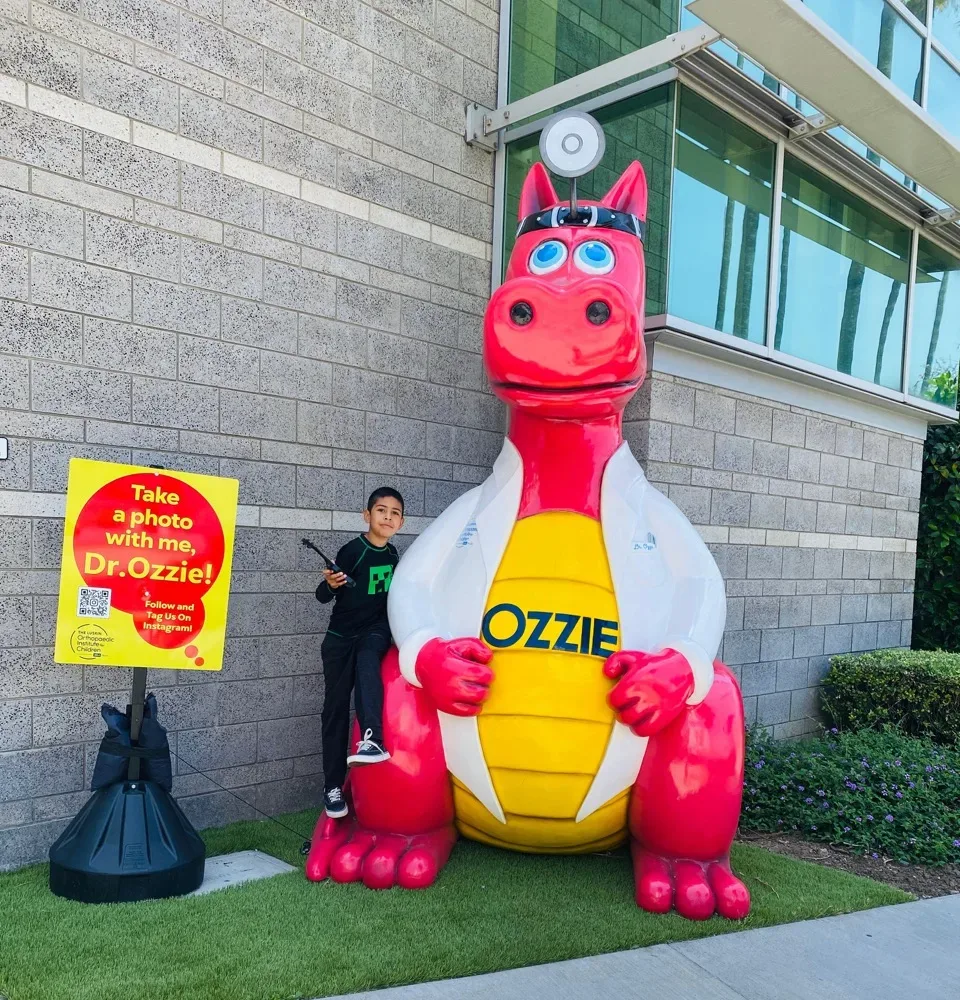
Enrique with his favorite Ozzie souvenir.Enrique with Ozzie in the LuskinOIC waiting room.Enrique shows his Ozzie drawingEnrique drawing Ozzie during visit to ICP
On June 17, LuskinOIC celebrated its Day of Giving by inviting all staff and faculty to make a one-time gift or set up ongoing payroll deductions in support of the excellent care we provide our patients. The event raised more than $1,500!
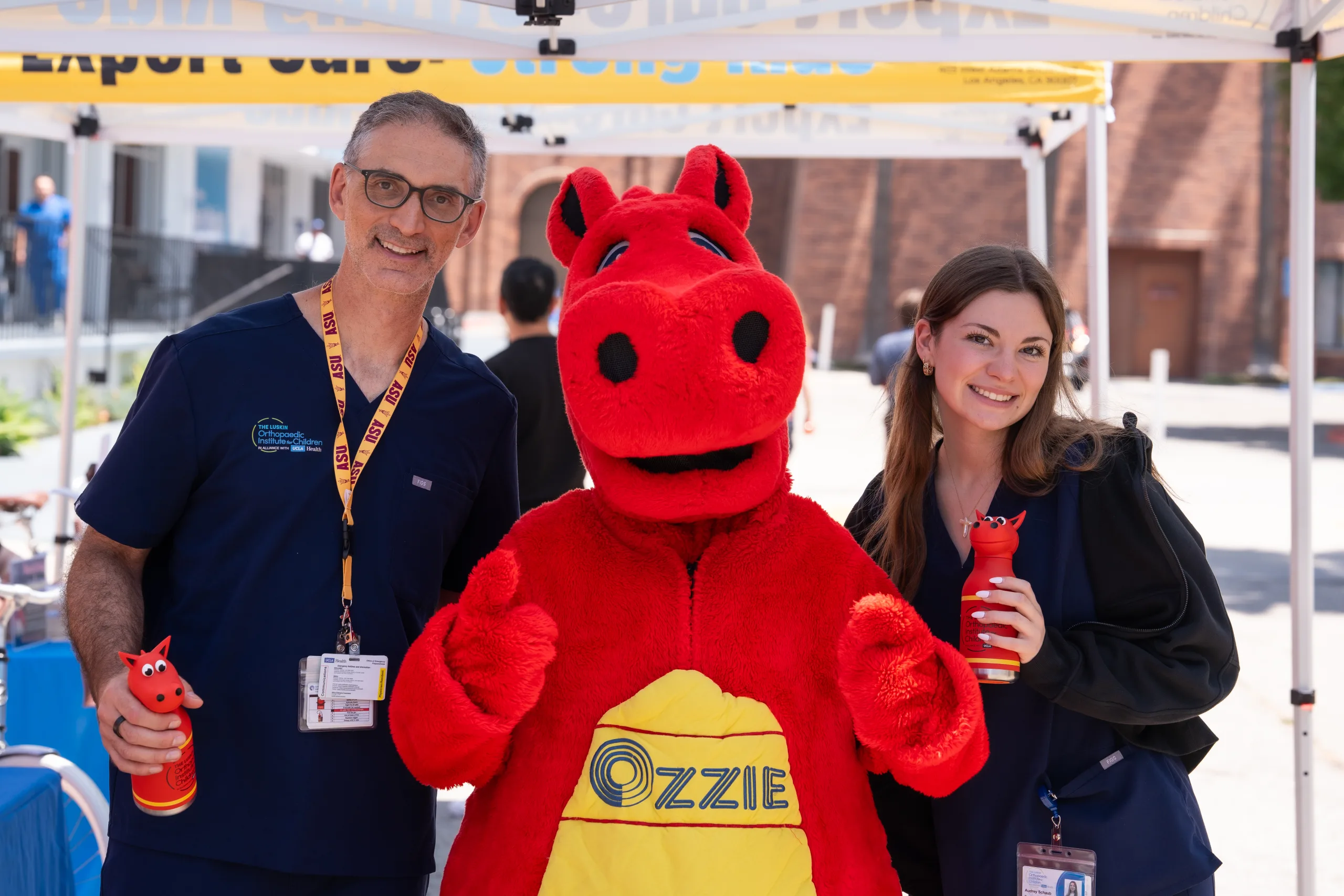
As a thank you, our Foundation department treated participants to lunch from The Fix Burger truck, a raffle ticket for a LuskinOIC-branded bike, and a special one-of-a-kind Ozzie Hydro Flask from Ozzie himself in celebration of National Mascot Day!
A special thanks to LuskinOIC’s incredible staff—the true heart of our success!
[Above: Staff at Giving Day] [Top photo: Dr. Schaub & Audrey Schaub with Ozzie in line to participate in Giving Day]
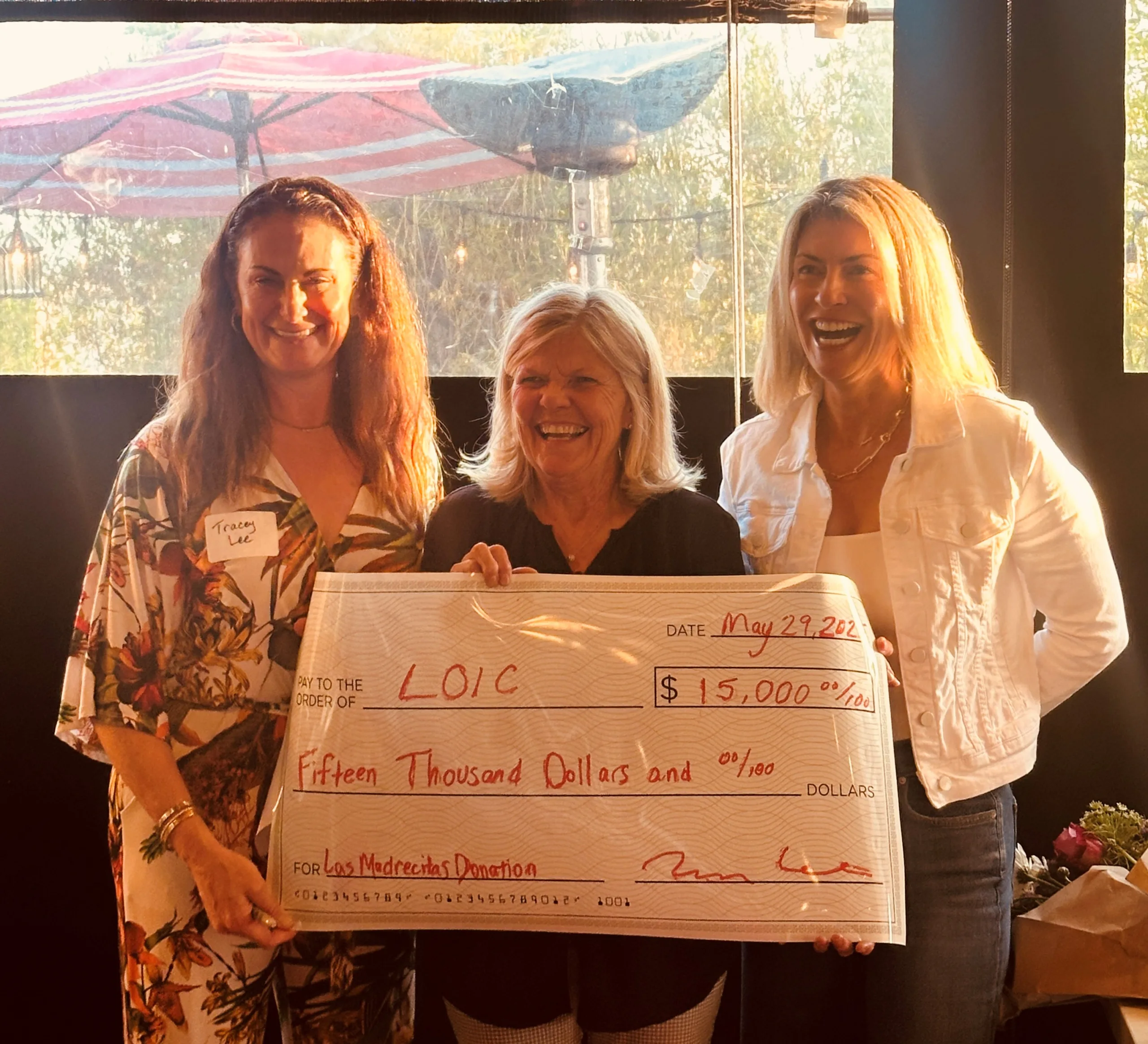
LuskinOIC’s long-standing support group, Las Madrecitas, recently presented a $15,000 check to help fund our upcoming MRI unit, part of the new Advanced Imaging Center set to open in 2026. During the annual Las Madrecitas Installation Dinner, Assistant Vice President Mary Beth Perrine accepted the generous donation and thanked the members for their volunteerism and fundraising efforts. Over the years, Las Madrecitas and Las Niñas have raised more than $3 million for LuskinOIC through events such as the annual Fall Fundraiser and Fashion Show.
Thank you Las Madrecitas, for your continued commitment to LuskinOIC and the patients we serve!
[Top photo: Photo Caption: AVP, Mary Beth Perrine accepting check on behalf of Foundation]
In light of the recent Los Angeles wildfires, LuskinOIC made the difficult decision to postpone our traditional June Gala—a vital fundraising event. This necessary pause created a significant revenue gap, even as the demand for pediatric orthopaedic care continues to rise.
To help bridge the funding gap, we launched the Critical Care Champions initiative, inviting our gala sponsors to fund essential care for children when it’s needed most.
Leading the charge: Board Chair Craig Ehrlich and the Ehrlich Family Fund, who generously donated $20,000 to help ensure no child is turned away.
Thank you, Ehrlich Family, for your unwavering leadership and compassion.
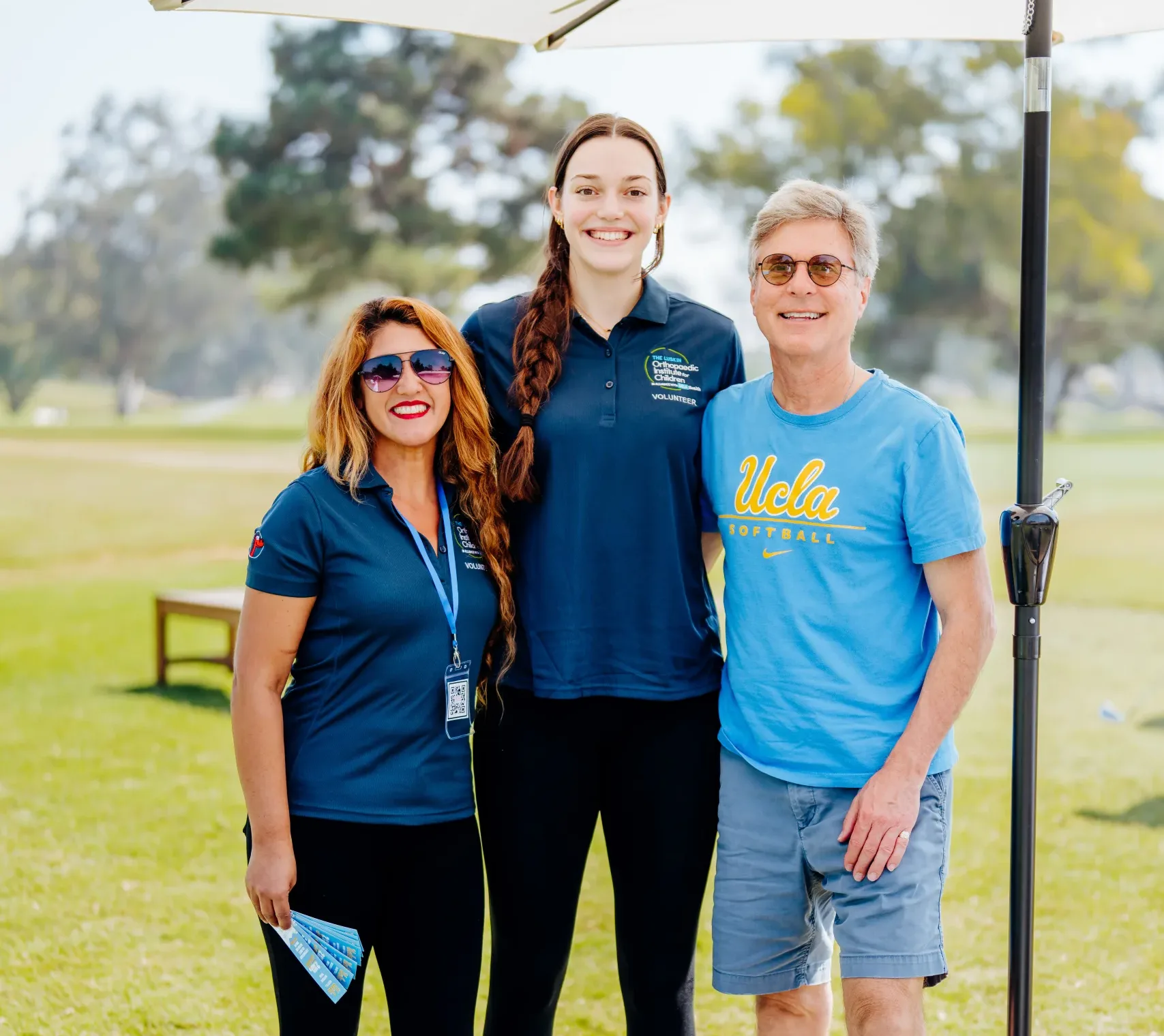
Craig Ehrlich participates in LuskinOIC’s campaigns whenever he can! Last year’s golf classic was no exception. Thank you, Craig!
Spinal conditions like pediatric scoliosis can sound scary at first, but this common diagnosis is treatable, whether it develops in infancy or later in adolescence. But what exactly is scoliosis, and how is it managed?
To start, scoliosis is a medical condition defined by a sideways curve of the spine, typically in a “C” or “S” shape. Nearly three percent of the US population has been diagnosed with scoliosis at some point, and it is more commonly found in girls than boys. When diagnosed and treated correctly, however, a child is able to lead a healthier, freer life.
What causes scoliosis?
Scoliosis can be hereditary and show up in infancy, or develop after puberty as growth spurts occur. It tends to run in families and despite common myths, is not caused by poor posture or heavy backpacks. A slight curve of the spine may be normal, but an official diagnosis of scoliosis is more noticeable, with mild cases causing discomfort or an uneven presentation and severe cases affecting the lungs and heart.
Signs and Symptoms of Scoliosis
A scoliosis diagnosis typically occurs during preteen and teen years and each child may have their own unique combination of symptoms. Common signs to look for include:
One shoulder blade, or one side of the ribcage, sticking out noticeably more than the other
Tilted or uneven shoulders, which may make clothing appear crooked
An uneven waistline or hip bone, which can make pant legs appear uneven
An off-center appearance of the head (doesn’t appear aligned with the rest of the body)
How is scoliosis treated?
A treatment plan can be established after determining the curvature of your child’s spine. While some curvature can be expected, a curve higher than 10 degrees would be considered scoliosis and would require treatment or monitoring.
Scoliosis Treatment Options Include:
Low Severity: Monitoring.
In milder cases, your child might just need to have the curvature monitored to make sure it doesn’t worsen. The curve may change as children grow, but if it remains less than a 25 degree curve, and doesn’t affect quality of life, a follow-up appointment every six to 12 months would provide enough monitoring.
More Concern: Bracing.
When a curve is between 25 to 45 degrees, bracing can stop the curve from getting worse. Although this treatment doesn’t typically correct the curve, it can provide comfort and ease of movement. Here at LuskinOIC our custom-designed braces allow for comfortable movement and flexibility.
Young Children: Casting or MAGEC.
Treatment options for children under age three can include casting, during which a special traction table is used when applying a cast that’s changed every three to four months. Another innovative procedure we offer includes the use of magnetically controlled growing rods (MAGEC rods) which are implanted to control the curvature while allowing the spine to grow.
Is surgery required for scoliosis?
Surgery is not always required, but if the spinal curve is 45 degrees or more and bracing doesn’t provide relief, surgery may be recommended. This type of surgery is called a spinal fusion and can both correct the curve as well as prevent it from returning. During this process, a trained surgeon will realign the curve then fuse together the section of straightened vertebrae which will heal together as one bone.
This is a surgery we offer at LuskinOIC, and our surgeons are highly skilled in complex procedures including:
Our team of experts use leading-edge technology to diagnose, manage, and treat your child’s scoliosis every step of the healing journey, offering services such as:
Diagnostic testing, including low-radiation X-rays and 3D imaging software
Growth-friendly treatment for young patients with scoliosis
Ongoing monitoring for mild curves
Bracing for moderate curves
Surgery for severe curves
Follow-up care during and after recovery
Access to physical therapy
The journey through a scoliosis diagnosis can feel overwhelming for families, but with the right care team and early intervention, children with scoliosis can lead active, fulfilling lives. Our commitment extends beyond treatment to supporting your family every step of the way, ensuring your child not only receives world-class medical care but also maintains the confidence and independence to pursue their dreams, whether that’s playing sports, participating in school activities, or simply enjoying childhood without limitations.
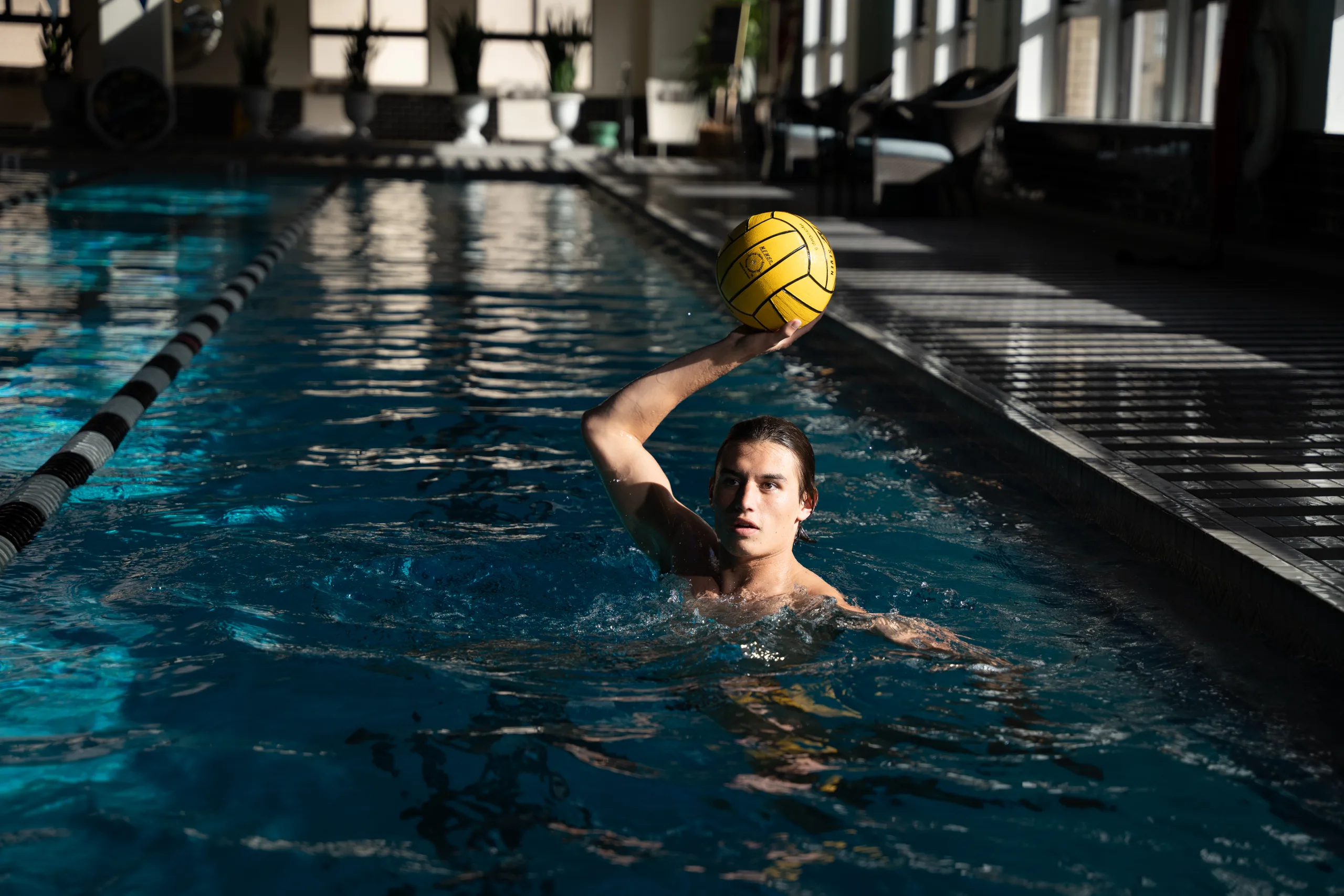
Playing sports during summer is a fantastic way for children to stay active, develop skills, and have fun. However, as temperatures rise and activity levels increase, it’s important for young athletes to take proper precautions. At Luskin Orthopaedic Institute for Children (LuskinOIC), we’re committed to helping families enjoy a safe and healthy summer sports season.
Preventing Common Summer Sports Injuries
Ease Into Activity
Children who have been less active during the school year should gradually increase their activity level rather than jumping straight into intense training. Start with shorter, less intense sessions and build up duration and intensity over several weeks.
Proper Warm-Up and Cool-Down
Every sports session should begin with a dynamic warm-up to prepare muscles and joints for activity. This might include light jogging, arm circles, or sport-specific movements at a lower intensity. Afterward, encourage a proper cool-down with gentle stretching.
Use Appropriate Equipment
Ensure your child has properly fitted protective gear for their sport, including helmets, pads, and supportive footwear. Ill-fitting equipment can increase injury risk rather than reduce it.
Cross-Train
Encourage participation in various activities rather than specializing in one sport year-round. Cross-training helps develop different muscle groups and reduces overuse injuries, which are particularly common in growing children.
Staying Hydrated in the Heat
Pre-Hydration Matters
Have your child drink water before they feel thirsty. A good rule is to consume eight ounces of water 20 to 30 minutes before activity and continue drinking regularly throughout.
Recognize the Signs of Dehydration
Teach children to recognize early warning signs such as:
Dry mouth
Decreased energy levels
Headache
Dizziness
Dark urine
Smart Hydration Choices
Water is the best option for most activities lasting under an hour. For longer or more intense sessions in the heat, sports drinks can help replace electrolytes—but choose ones with lower sugar content for children.
Beat the Heat Safely
Timing is Everything
Schedule outdoor activities during cooler parts of the day, typically before 10:00 a.m. or after 4:00 p.m., when the sun’s rays are less intense.
Rest in the Shade
Ensure practice and play areas have shaded spots where children can take breaks from direct sunlight.
Appropriate Clothing
Light-colored, lightweight, moisture-wicking fabrics help keep the body cool. Don’t forget hats with brims to shield faces from the sun.
Sunscreen Protection
Apply broad-spectrum, water-resistant sunscreen with SPF 30 or higher to all exposed skin areas 15 to 30 minutes before going outdoors. Reapply every two hours or after swimming or sweating.
Listen to Your Child’s Body
One of the most important safety measures is teaching children to recognize and communicate when they’re feeling unwell. Encourage your young athlete to speak up if they:
Feel pain beyond normal muscle fatigue
Experience dizziness or nausea
Feel unusually tired
Have any discomfort in the heat
Children’s bodies may not regulate temperature as efficiently as adults’, making them more susceptible to heat-related illness.
When to Seek Medical Attention
While minor bumps and bruises are part of active play, some situations require professional evaluation:
Any injury causing significant swelling or deformity
Inability to bear weight or use a limb normally
Head injuries with any change in mental status
Heat-related symptoms that don’t improve with rest and hydration
Persistent pain
At LuskinOIC, our team of pediatric orthopaedic specialists is here to help if injuries occur. We understand that children aren’t just small adults—their growing bodies require specialized care.
Making Summer Sports Fun
With proper precautions, summer sports should be a source of joy and development for children. Focus on fun rather than intense competition, celebrate effort over outcomes, and maintain open communication about how your child is feeling physically and emotionally during their activities.
By following these guidelines, your child can enjoy all the benefits of summer sports while minimizing risks. Here’s to a safe, active, and enjoyable summer season!
Stay connected, Stay informed!
Join the LuskinOIC Newsletter for news, updates, stories, and more!
About LuskinOIC
Luskin Orthopaedic Institute for Children (LuskinOIC) is a Los Angeles-based pediatric orthopedic institute providing world-class musculoskeletal care to children regardless of their family’s ability to pay or immigration status. Founded in 1911 and in strategic alliance with UCLA Health since 1998, LuskinOIC combines award-winning specialists, advanced treatment, and hands-on research to help kids with everything from fractures and scoliosis to clubfoot and cerebral palsy heal, move, and thrive.