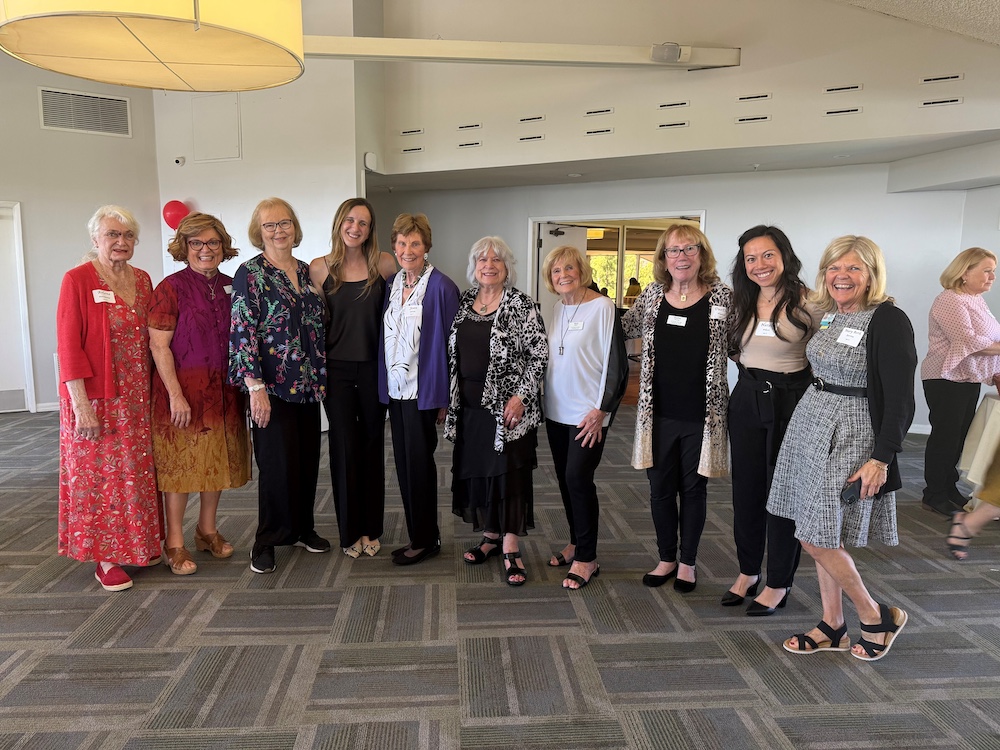
On October 22 the La Cañada Flintridge Orthopaedic Guild (LCFOG) held their Book & Author Luncheon, celebrating 67 years of service to LuskinOIC! We are grateful for the volunteer hours served and funds raised by the Guild throughout the past six decades.
The annual Book & Author Luncheon is one of their biggest fundraisers and this year’s event, which was held at the La Cañada Flintridge Country Club, raised over $25,000 through their silent auction and book sales.
Attendees heard from best-selling author and business coach Luis Dolan, New York Times best-selling novelist J. Ryan Stradal, and Frans Vischer, a world-renowned illustrator.
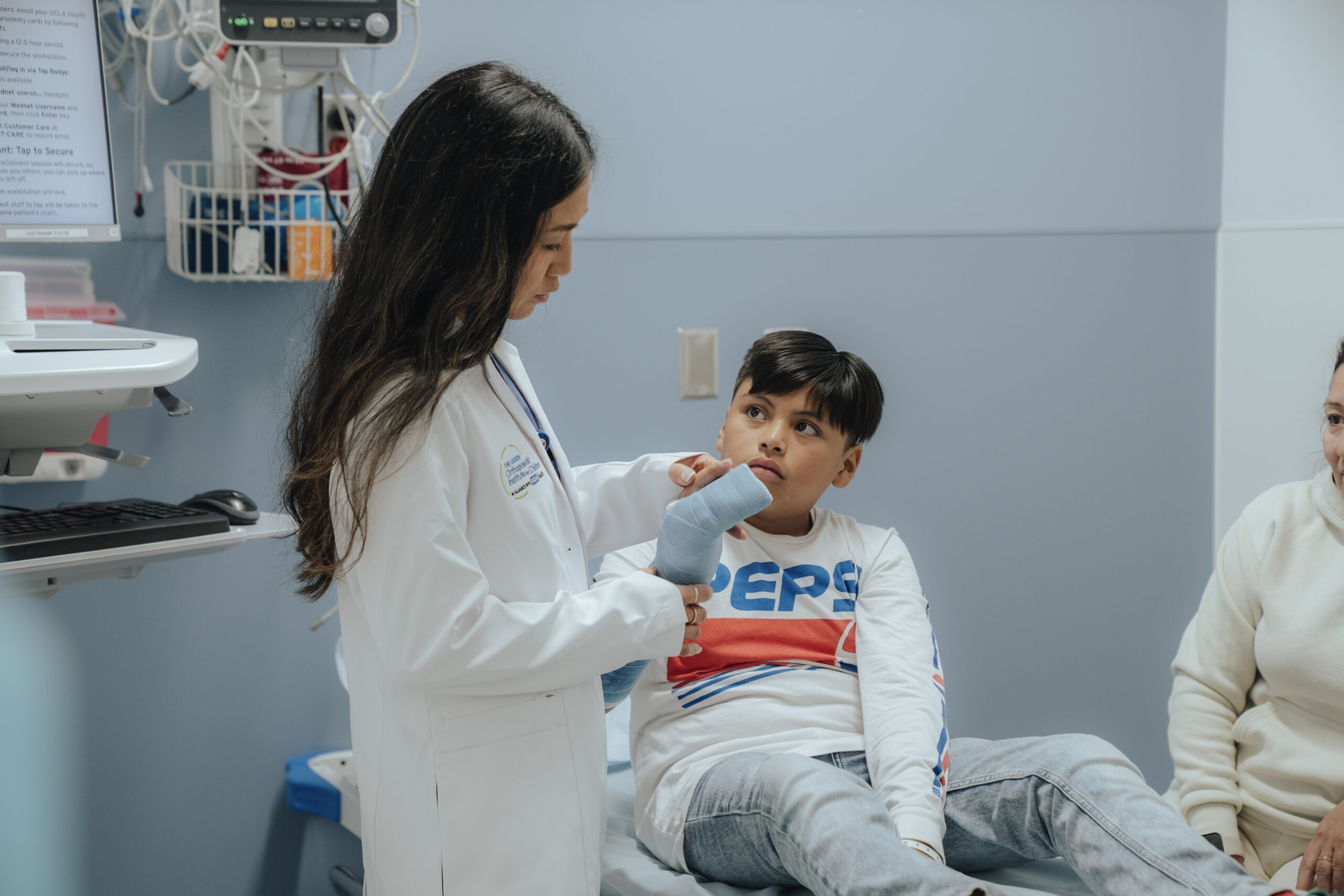
Although our wonderful patient ambassador Ramses was unable to attend, we’d still like to thank him, his mother, Yereni, and the Active Life team for allowing us to share his inspiring story with all attendees! LuskinOIC Foundation staff provided updates on the latest developments, including the fitting of a higher performing prosthetic arm.
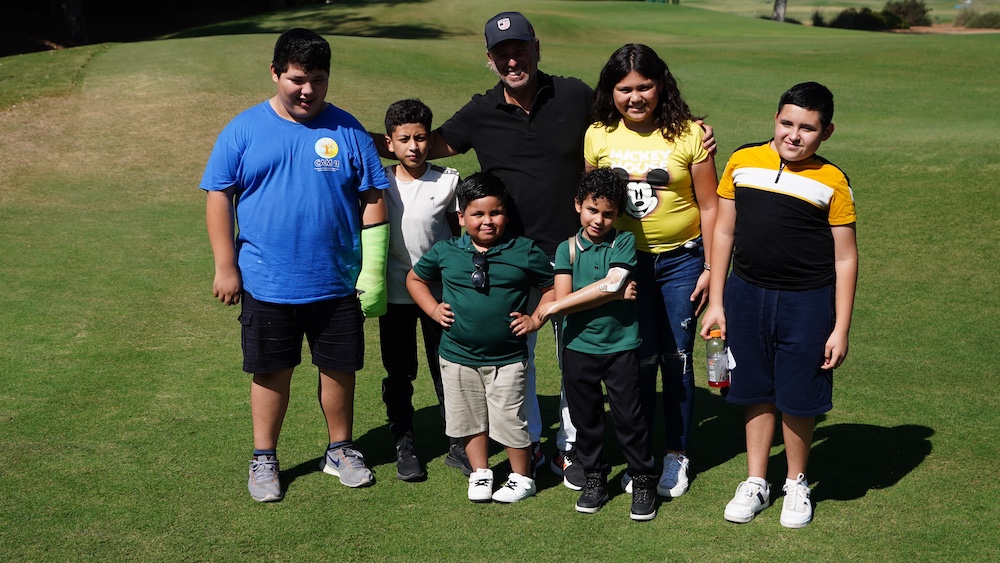
The LuskinOIC Annual Swing for Kids Golf Tournament achieved a remarkable milestone this year by raising more than $300,000, surpassing the Tigner & Gibson $100K Match Challenge.
The event brought together 126 golfers, 30 sponsors and partners—prominently featuring the Shah Family as Presenting Sponsor, six patient ambassadors, and 60 volunteers at the beautiful Virginia Country Club. This year also marked a record-breaking achievement with $45,000 raised during Stand for Kids.
Proceeds from the tournament directly benefit the LuskinOIC Care for Kids Fund, which supports various departments within the Institute.
Tournament chair Dan Madden expressed gratitude, stating:
“We are grateful to all of our sponsors, partners, and golfers for their generosity—especially Roopal and Bharati for returning for their eighth year as presenting sponsors!
As guests enjoyed an extraordinary culinary experience, the event also honored the LAPD Special Weapons and Tactics (SWAT) team with the Fox Family Community Inspiration Award.
Dr. Scaduto also acknowledged Madden’s efforts, saying:
“I’d like to thank Dan Madden for chairing the event and the entire committee for organizing another successful and truly enjoyable golf tournament.
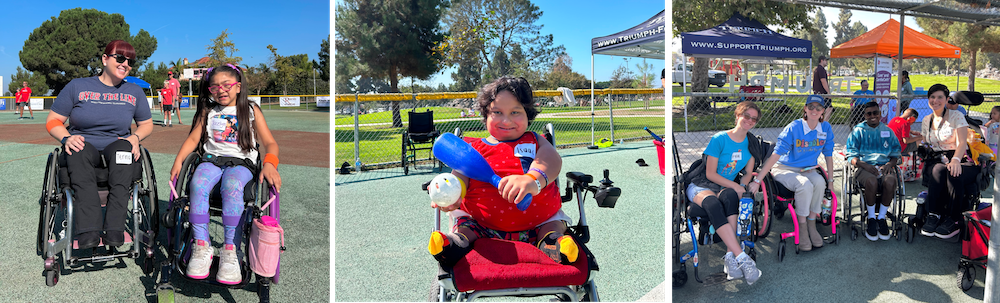
In recent weeks, LuskinOIC had the pleasure of joining our community partners from Triumph Foundation and Angel City Sports for a number of inclusive events supporting adaptive sports and the Paralympic movement.
It was an honor to support Angel City Sports’ annual Courage Weekend, celebrating Veterans and first responders. Athletes had the opportunity to try more than 10 adaptive sports throughout the two-day event.
LuskinOIC is also thrilled to support the Rx to Play Program with the UCLA Department of Orthopaedic Surgery, which brought a group of resident physicians and researchers, including UCLA Athletics team physician Dr. Sharon Hame.
Triumph Foundation has provided direct support to thousands of individuals affected by spinal cord injuries throughout Southern California. As a proud partner of the organization, LuskinOIC is proud to sponsor their recent 5K Superhero Fundraiser and Over the Line Adapted Baseball Tournament. We’re excited to continue our partnership.
We’d also like to invite our community to the foundation’s annual Pasadena Wheelchair Sports Festival being held Saturday November 2 at Brookside Park. Join more than 300 expected guests for an inclusive day of fun for the whole family—and participate in one of the many free adaptive sports clinics being held.
Last month, several of our older players were invited to train with the Watford FC Women’s team—an English Premier league team, incidentally owned by Elton John.
Continuing the partnership with Watford FC, in the beginning of 2025 a group of our women coaches will travel to England to observe and work with the Watford FC women’s coaches. The experience will be documented by a film crew.
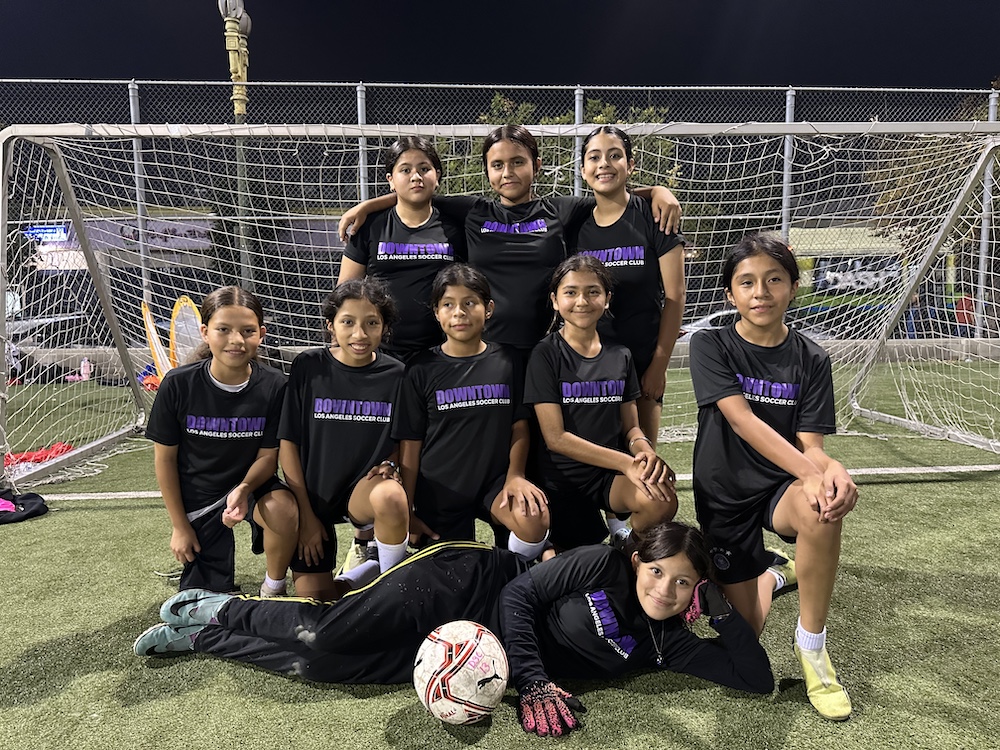
Our younger players on the girls teams are making an impact, as well! Since the start of their fall competitive season, these youth teams have made their presence felt on the pitch. So far, the teams for ages seven, eight, and nine are in first place in their respective divisions, and the girls are having a great time in the process.
Last, in case you missed it, the league was featured in the Spanish edition of the LA Times this past summer. Look for their full schedule of games online.
We’re pleased to welcome Dr. Soroush Baghdadi, a highly accomplished pediatric orthopaedic surgeon, to the LuskinOIC team!
Dr. Baghdadi is a graduate of Tehran University of Medical Sciences, where he also completed his residency and fellowship in orthopaedic surgery. His career currently spans more than a decade, during which he has also worked to advance the field of pediatric orthopaedics through extensive published works, teaching opportunities and educational course development, and more.
Dr. Baghdadi has held prestigious fellowships at renowned institutions, including The Children’s Hospital of Philadelphia, Montefiore Children’s Hospital, and Lurie Children’s Hospital, and is a member of several prominent organizations, including the American Academy of Orthopaedic Surgeons and the Pediatric Orthopaedic Society of North America.
Joanna Stover joined the LuskinOIC team this February as the Athletic Trainer in the Sports Medicine Department. She knew that she wanted to be an athletic trainer since high school, after taking a Career Technical Education course in sports medicine and volunteering in the training room. She loves working with highly motivated young athletes, and getting to see her patients back on the field is very rewarding.
For Joanna, coming to LuskinOIC meant a return to patient care after several years of teaching physical education and mental health. No two days are the same: sometimes, you’ll find her fitting braces and teaching home exercise programs to patients. Other days, she’ll be out at local high schools, handing out swag bags and meeting students to teach them about LuskinOIC’s work.
According to Joanna, the best part about working at LuskinOIC is, without hesitation, “the people.” She is so grateful for the teaching spirit of all the providers she works with—she never thought she’d learn how to read an MRI! She hopes that, by both providing gold-standard care and engaging with students, her patients will learn what athletic trainers can do to support them as they’re healing and getting back on the field, and will maybe even get inspired to pursue sports medicine along the way.
Written by Genavieve Koenigshofer. Genavieve is a Coro Fellow working with the LuskinOIC Foundation. She recently graduated from UC San Diego for Developmental Psychology and Public Policy, and she has a background in education policy and disability advocacy. Genavieve is excited to learn more about healthcare administration and how LuskinOIC helps children of all abilities reach their full potential.
We’re thrilled to share that our generous supporter QueensCare Foundation has awarded $85,000—their largest gift in our 11-year partnership— in support of Luskin Orthopaedic Institute for Children’s Trauma Care Program.
Established in 1998, QueensCare provides charitable grants to healthcare agencies serving the low-income communities of Los Angeles with the goal of alleviating healthcare disparities throughout the Los Angeles Metropolitan Area. This gift will not only support pediatric patients who endure fractures and sports injuries, but also children who come to LuskinOIC on their worst day, looking to us for long-awaited pain relief and academic-level care, no matter what their family’s financial circumstances may be.
We remain deeply grateful to the leadership of QueensCare to support our kids as they Grow Well and Play Well.
The Luskin Orthopaedic Institute for Children (LuskinOIC) hosted its 3rd Annual “Ozzie’s Spooktacular” Halloween event on October 30, 2024, bringing joy to over 550 guests, including patients, families, and volunteers. The celebration featured a variety of family-friendly activities such as a Haunted Maze, Dia De Los Muertos station, pumpkin decorating, and a 360-degree photo booth. Food trucks, including Savage Tacos and LA’s Crepes, added to the festivities, while a DJ and games kept everyone entertained.
A highlight of the evening was the costume contest, followed by a Trunk or Treat for kids and families. The grand finale included a magical performance by celebrated magician Jerry Langford. The event also welcomed special guests, including the LA Ghostbusters, students from Orthopaedic Medical Magnet High School, and St. Vincent Elementary School.
The celebration was made possible by the generous support of organizations like Starlight Children’s Foundation, the LA Ghostbusters, and LuskinOIC’s own support groups. “Ozzie’s Spooktacular” was a way for the institute to give back to children facing health challenges, creating a memorable Halloween experience for all attendees.
Surgery. It’s a word no parent wants to hear about their child’s health. But at LuskinOIC, pediatric surgery often represents hope for children who have already endured so much.
This hope goes beyond the natural resilience of children, who tend to heal faster than adults. It’s about the exceptional care they receive here. With a state-of-the-art facility and a skilled team of surgeons, specialists, and rehabilitation experts, we are dedicated to giving your child the best chance for a successful surgery, smooth recovery, and a brighter future.
We understand that, as a parent, you have questions. Here’s what you need to know about pediatric orthopaedic surgery—and why our Ambulatory Surgery Center is a place you can trust.
How to Determine if Surgery is the Best Option for Your Child
When faced with the possibility of surgery for your child, it’s reassuring to know that today’s medical advancements often mean less invasive procedures, smaller incisions, and faster recovery times. Different conditions require different types of surgery, and understanding the options available can help you make the best decision for your child’s health.
Types of Surgery
1. Open Surgery Open surgery involves making a larger incision to provide the surgeon with a full view of the structures or organs involved. For example, scoliosis surgery may require spinal fusion to realign and fuse curved vertebrae into a single, solid bone. This procedure can take between 2 to 5 hours, with a typical inpatient recovery time of 3 to 5 days.
2. Minimally Invasive Surgery Minimally invasive surgery involves techniques that require only small incisions, leading to faster recovery, less pain, and reduced scarring. While not all conditions can be treated this way, many surgical techniques now fall into this category, offering a less daunting option for children and parents alike.
By understanding the differences between surgical methods, you can have more informed conversations with your child’s healthcare team about which approach is best suited for their specific condition.
How to Talk to Your Child About Surgery
When explaining surgery to young children (or even anxious teens), the key is to keep it simple and reassuring. The goal is to ease their worries and help them understand that this procedure is meant to help them feel better.
Tips for Explaining Surgery to a Child:
1. Use Diagrams, Toys, or Play Demonstrating on a stuffed animal, drawing simple pictures, or using role-play can make surgery feel less intimidating. These visual and hands-on methods help kids grasp what’s going to happen, turning the unknown into something they can understand.
2. Keep It Brief and Honest Explain the basics of why they need the surgery and what it will help fix, without going into details that might sound frightening. If possible, introduce them to their doctor or show them the clinic ahead of time to build familiarity.
3. Focus on Positive Language If you treat surgery as something scary, they’ll likely feel the same way. Instead, emphasize the positive outcomes—how the procedure will help them feel better, and how kind the doctors will be throughout the process. Reassure them that you’ll be by their side. While it’s important to be truthful, avoid making promises you can’t guarantee. Keep the tone hopeful and supportive.
Learn about our Ambulatory Surgery Center
The Ambulatory Surgery Center (ASC) at LuskinOIC is the first of its kind in Los Angeles, offering pediatric patients faster access to outpatient orthopaedic surgical care. This cutting-edge facility allows us to significantly reduce surgery wait times, helping prevent serious or permanent damage in children recovering from musculoskeletal conditions and injuries.
We’re proud to share that our ASC has earned renewed accreditation from the Accreditation Association for Ambulatory Health Care (AAAHC), reflecting our unwavering commitment to excellence. Additionally, our LuskinOIC Laboratory is accredited by The Joint Commission for meeting and exceeding rigorous performance standards. These distinctions set our ASC apart as a leader in outpatient care, ensuring the highest quality treatment—regardless of a family’s financial circumstances.
To learn more, reach out to us or watch this video for a virtual tour of our Ambulatory Surgery Center:
Wrist injuries like breaks and strains are a common childhood ailment—especially for kids and teens who are active in sports. But even for those not involved in youth athletics, simple playground mishaps or accidents at home can still cause wrist sprains, fractures, and growth issues.
Here, we’ll cover some of the most common pediatric wrist injuries, how to treat them, and how to prevent them.
Common Types of Wrist Injuries
Wrist injuries in children and teens typically occur from either sudden injury or due to an overuse of the joint. In some rare cases, a child might experience symptoms caused by autoimmune conditions such as juvenile rheumatoid arthritis, but the majority of wrist injuries are from falls, breaks, strains, or repetitive stress.
Growth Plate Injuries
It’s typical to see wrist injuries that involve a bone’s growth plate—the cartilage near the ends of the bone that isn’t as strong as the surrounding bone or ligaments. If left untreated, or improperly treated, injuries to wrist growth plates can ultimately impact the development and long-term range of motion of the child’s forearm.
Fractures
Fractures are one of the most common types of injuries we see in young children, and the best way to ensure proper healing is by getting expert treatment quickly and thoroughly. Although broken bones might not always be obvious, typical signs of a pediatric wrist fracture may include an inability to move the wrist or hand, pain and swelling in the affected area, bruising or redness in the wrist or forearm, and deformity of the wrist, hand, or forearm.
Wrist sprains are most often caused by the child falling on an outstretched arm, or a similar impact from contact sports that forces the wrist to hyperextend and tears the surrounding soft tissue and ligaments. Common signs of a wrist sprain include swelling, bruising, pain or tenderness, and weakness.
Yes, it’s a real injury! Gymnast wrist is a repetitive stress injury that causes pain and inflammation on the thumb side of the wrist. It usually develops when a gymnast increases training intensity or moves to a higher competitive level.
How is treatment for pediatric wrist injuries different from adults?
One of the biggest differences is in terms of the child’s growth plates. Adult growth plates have already closed, so there’s less risk of a developmental malfunction.
For example, a pediatric fracture may do damage to growth plates; left untreated, damaged growth plates may cause bones to grow unevenly, or not at all. This is why it’s so important to see a pediatric orthopaedic specialist as soon as possible to ensure proper healing.
Children’s bones are also more flexible than adults, which allows them to absorb shock better. In general, children heal faster than adults, who tend to require longer recovery and rehabilitation time.
Our Sports Medicine team at LuskinOIC has revolutionized athletic recovery by using cutting-edge research to assess the physical and mental/emotional readiness of young athletes so they can return to their favorite activities post-injury.
From evaluating limb symmetry to analyzing neuromotor control, our expert physicians guide athletes and families toward a safe return to the sports and activities they love.
Dr. Goldman, and the dedicated Sports Medicine team
Tips For Preventing Children’s Wrist Injuries
For youth athletes, proper gear is key. Wrist guards, properly fitted gloves, finger taping, and other game-time prep can help to prevent injury both in the immediate and over time.
Coaches and athletic trainers can also assist with injury prevention at schools and on the field.
At home, encourage an active lifestyle that includes stretching, hydration, and an injury-prevention mindset for wrists and the whole body.
We aim to provide outstanding musculoskeletal medical assistance for all children and we’re here for you if an unexpected wrist injury happens. Learn more about our caring team of experts at LuskinOIC.
Stay connected, Stay informed!
Join the LuskinOIC Newsletter for news, updates, stories, and more!
Monthly Newsletter
Get the latest updates, news, and insights delivered straight to your inbox.