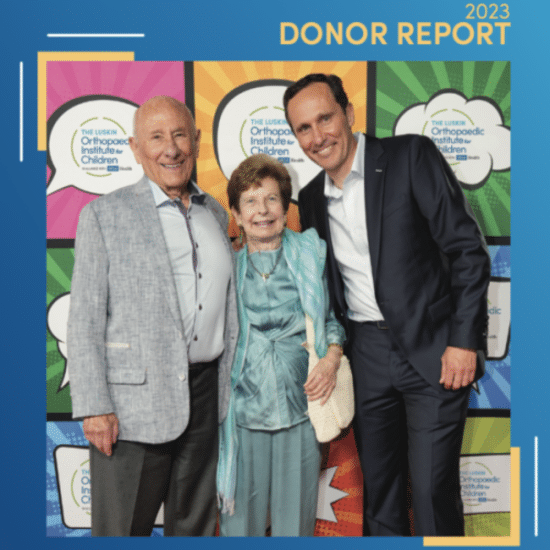
Because of the generous support you’ve given for this year’s Swing For Kids, we can’t thank you enough.
Whether you tee’d up, sponsored the event, partnered with LuskinOIC, bid in our silent auction, or volunteered your time, you are helping patients receive expert orthopaedic care, regardless of their financial circumstances.
Thank you to our presenting sponsor, Roopal & Bharati Shah Family for furthering LuskinOIC’s mission of providing quality care for children with orthopaedic needs.
LuskinOIC, a leading community organization committed to excellence in pediatric orthopaedics, is thrilled to announce it has received a historic $500,000 grant from The Ahmanson Foundation.
On Wednesday, October 25, from 5-7:30pm, Luskin Orthopaedic Institute for Children (LuskinOIC) will host their second Annual Ozzie’s Spooktacular event in Los Angeles.
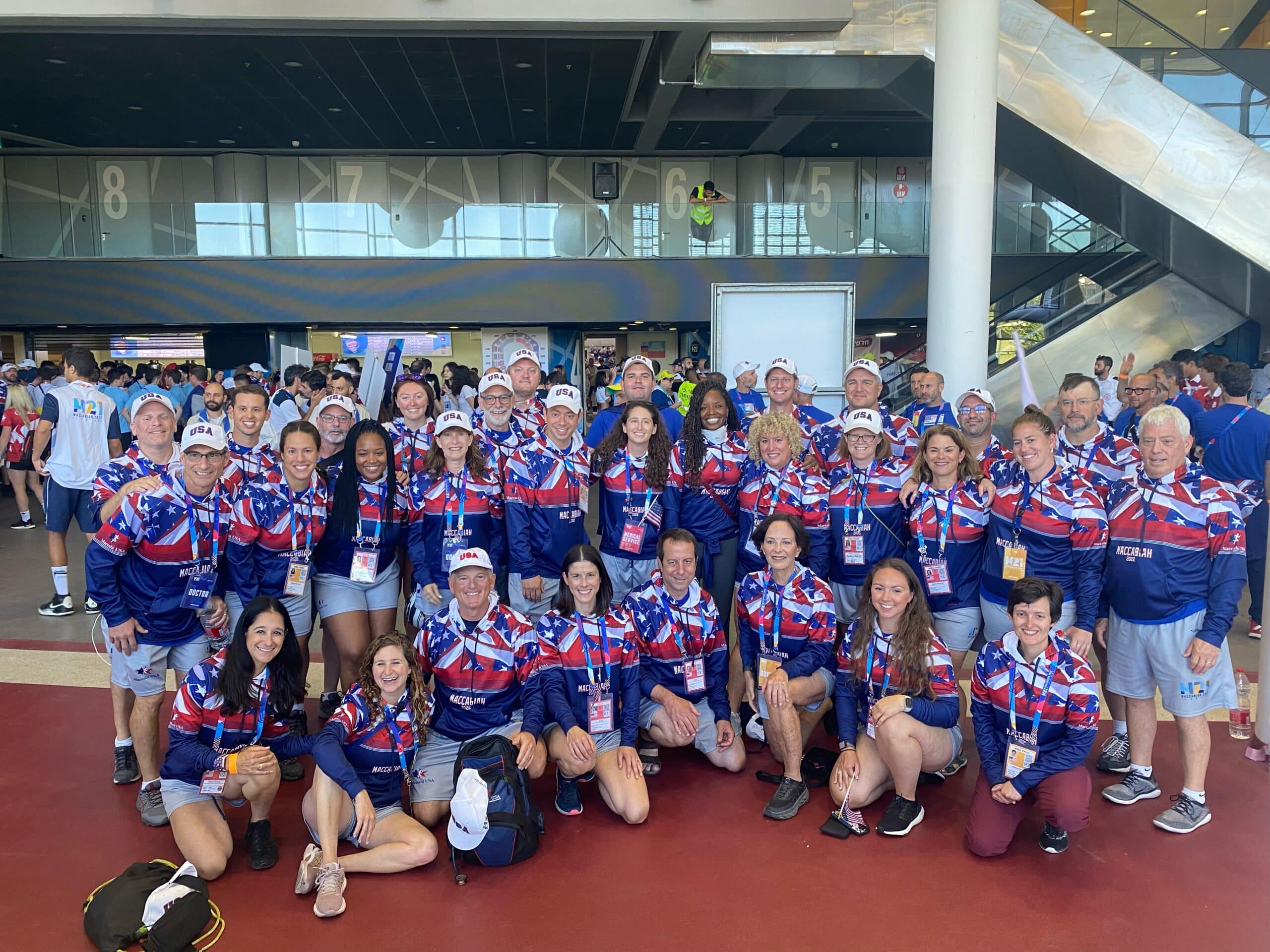
Championing Care: LuskinOIC at the 21st Jewish Games
LuskinOIC has long been renowned for providing the highest quality orthopaedic care to children across the globe and that tradition continued to grow this summer at the 21st Jewish Games, known as the Maccabiah, that is held in Israel.
The Maccabiah, similar to the Olympics and Paralympics, are held every four years and are open to Israeli and Jewish born athletes. Thousands of athletes gathered in Israel to compete in nearly 40 Olympic and Paralympic competitions.
Volunteering with the organization since 2007, Manager of the LuskinOIC Center for Sports Medicine Summer Runestad, served as head Athletic Trainer. Summer worked alongside a team of 30+ physicians and fellow Athletic trainers to provide specialty orthopaedic care for the athletes of Maccabi USA.
Basketball Brilliance: Summer’s Triumph with Maccabi USA
While serving Maccabi USA, Summer’s primary responsibility was to cover the multiple basketball teams competing during the games. Combined, Maccabi USA brought home a total of 274 medals with 87 golds, including Girls/Boys open division and 3 on 3 basketball.
Summer’s Spotlight: Leading Maccabi USA to Victory
As if supporting hundreds of athletes, bringing home nearly 300 medals, heading a staff of 30 wasn’t enough, Summer was elected as a banner bearer for Maccabi USA. To celebrate the success of Maccabi USA, the event culminated with a brief photo opportunity with President Joe Biden.
To learn more about the LuskinOIC Center for Sports Medicine, what sports medicine is, and how your child can receive the highest quality care from our sports medicine specialists, visit our site or reach out to Summer directly at srunestad@mednet.ucla.edu.
LuskinOIC and the UCLA|LuskinOIC Center for Cerebral Palsy will be hosting their inaugural adaptive sports camp, in partnership with Angel City Sports.
LuskinOIC and the UCLA|LuskinOIC Center for Cerebral Palsy will be hosting their inaugural adaptive sports camp, in partnership with Angel City Sports.
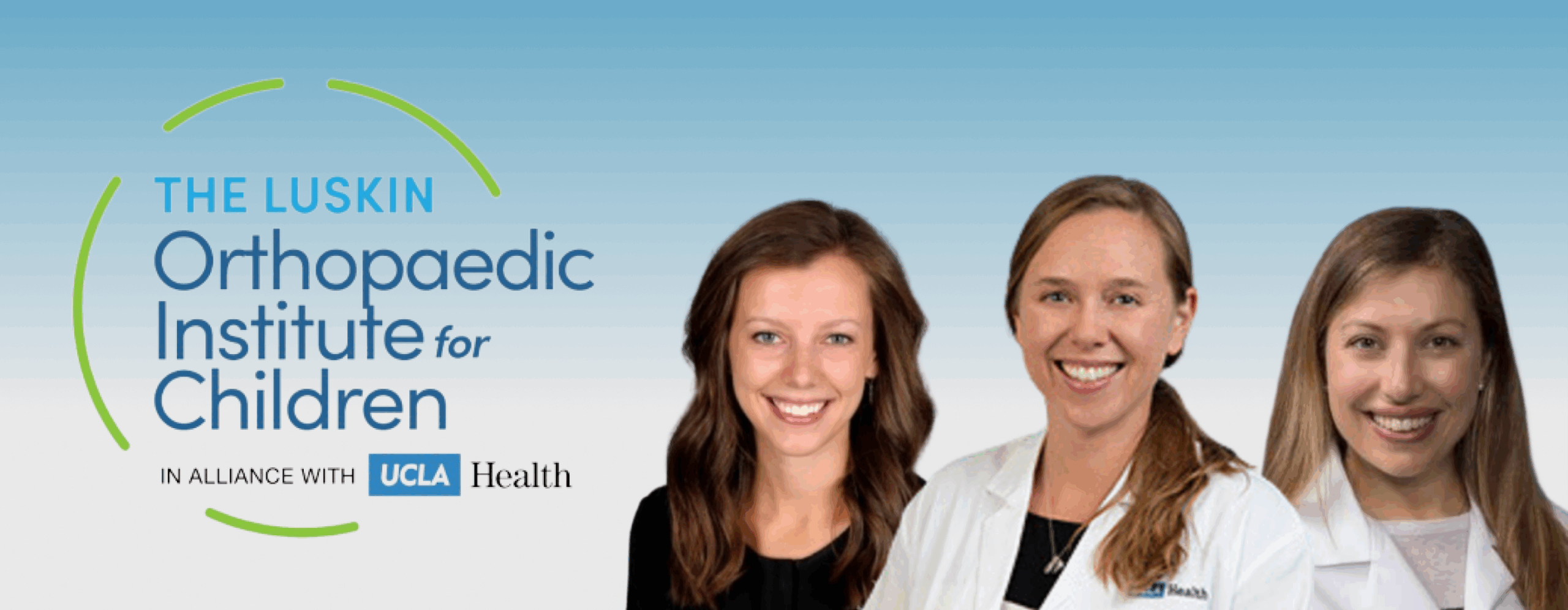
Dr. Amanda Honsvall is a Primary Care Sports Medicine physician within the UCLA Departments of Family Medicine and Orthopaedic Surgery, Division of Sports Medicine.
Dr. Honsvall joined OIC and UCLA after first working as a Sports Medicine physician within the University of Minnesota Department of Orthopaedics, where she cared for patients of all ages with orthopaedic injuries, served as medical director for the USA Cup International Youth Soccer Tournament and assisted in the care of the UMN Gophers Women’s Basketball team. Dr. Honsvall received her medical degree from the University of Minnesota and completed her residency in Family Medicine at the University of Minnesota Methodist Hospital. As a resident, she was honored as an AMSSM Resident Scholar for her dedication and contribution to Sports Medicine.
She received her Sports Medicine fellowship specialty training at UCLA, where she served as team physician for Santa Monica High School and assistant team physician for the UCLA Department of Intercollegiate Athletics, the Los Angeles Lakers and the Los Angeles Dodgers. She specializes in diagnosis and treatment of non-surgical orthopaedic issues and injuries among athletes and active people of all ages. Her clinical and research interests include musculoskeletal ultrasound and ultrasound-guided procedures, orthobiologics, injury prevention and treatment, youth sports and youth physical activity promotion. She is a member of the American Medical Society for Sports Medicine, American College of Sports Medicine and American Academy of Family Physicians.
Welcome Dr. Emily Miller
Dr. Miller is a Health Sciences Assistant Clinical Professor of Family Medicine and Orthopaedic Surgery. At UCLA, she offers family and sports medicine care for patients of all ages.
In addition, Dr. Miller serves as a team physician for the UCLA Department of Intercollegiate Athletics and Beverly Hills High School. Her research interests include youth sports, activity promotion, and dance medicine. Prior to receiving her medical degree from Temple University School of Medicine, she was a dancer at Barnard College.
She completed her family medicine residency at Lancaster General Health in Lancaster, PA, and then received her sports medicine specialty training at UCLA. She is a member of the American Academy of Family Physicians and American Medical Society for Sports Medicine, among others, and was recognized as a Super Doctors® Southern California Rising Stars 2023.
Welcome Dr. Maya Newman
Dr. Newman is a UCLA Health pediatric physiatrist with a specialty in pediatric rehabilitation medicine, treating children and adolescents with injuries or malformations to the brain, muscles or nerves.
She also works with children who have genetic conditions that affect their functional mobility, activities of daily living, or speech. Dr. Newman attended University of Washington School of Medicine, completed her internal medicine internship at Highland Hospital in Oakland, CA, and her PM&R Residency at Baylor College of Medicine in Houston, TX.
The main reason why Lisa loves working with LuskinOIC is because of our impact of providing cutting-edge care based on research and science, done so with compassion and empathy. Like her mother, Sarah believes that LuskinOIC provides exemplary care to the community regardless of who you are or your ability to pay. She expressed that the doctors and staff truly care about getting to know each patient as an individual and that the interpersonal connections are what make LuskinOIC stand out.
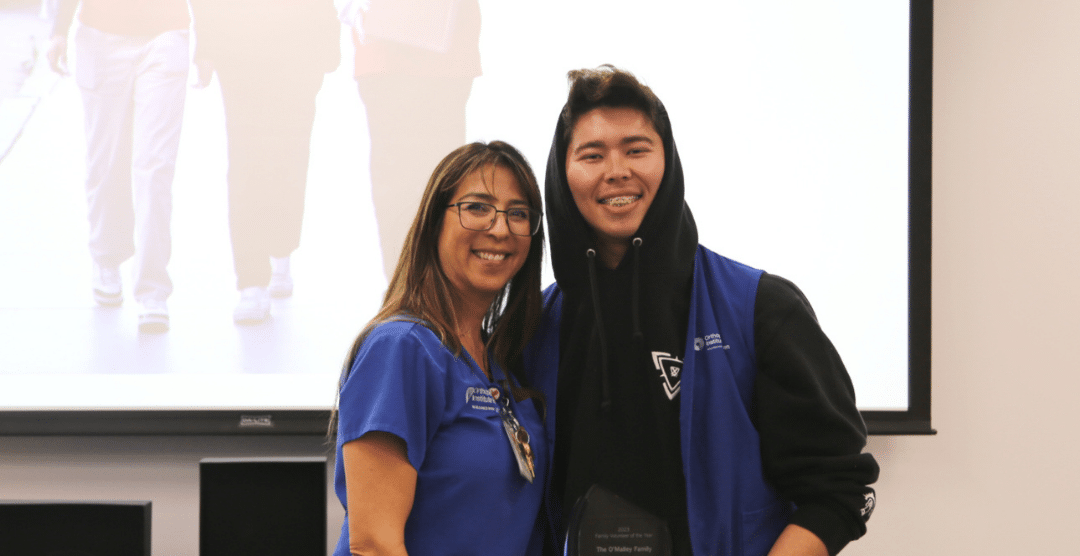
Kimberly – Youth Volunteer Award
Kimberly N. was inspired to volunteer with LuskinOIC after witnessing the incredible impact the organization has had on the lives of children and families in her community. She has always had a passion for helping others and giving back, and LuskinOIC’s commitment to providing high-quality care to all patients, regardless of their ability to pay, resonated deeply with her.
Stephanie – Adult Volunteer Award
Stephanie says “My Mama embedded in me a desire to pursue and advocate for my sueñitos con corazon (dreams with heart) at a young age. Caring for my mother and family as we experienced health issues in regards to access, financially attainable, and culturally inclusive care meant navigating the U.S healthcare system very early on in life. I saw my own struggles reflect a bigger inequality my community faced in healthcare. My sueñito took form and I decided to dedicate myself to expanding current healthcare systems, uplifting, and designing services specifically for monolingual, low-income, immigrant families like my own.
Gussie – Exceptional Commitment and Dedication Award
Gussie Edmondson has been volunteering with LuskinOIC for the last 26 years, dedicating her life to transforming the lives of every child, parent, doctor, and nurse she has interacted with. For Gussie, nothing is more rewarding than making a change, no matter how small.
Lunely was born with arthrogryposis, a rare condition that left her with limitations in her arms, deformities in her knees, and severe clubfoot. At just 3 years old, Lunely came to LuskinOIC and was appointed to Dr. Scaduto and Dr. Silva. Under their expert care, Lunely underwent multiple surgeries and bilateral casting. Because of the exceptional care offered at LuskinOIC, Lunely is now starting to mobilize with the help of a walker and has gained some independence.
Scarlett was born with her twin brother via emergency C-section at 32 weeks. At 6 months old, Scarlett had a brain MRI which revealed Moderate Central Brain Atrophy. Scarlett was appointed to Dr. Rachel Thompson who not only treated her but also got to know her interests such as her dream of owning a bakery, her love for singing, and that her favorite princess is Aurora. Dr. Thompson did a bilateral reconstruction of the pelvis, hips, and knees. After a long and painful recovery, Scarlett states that “it was all worth it” and was grateful for Dr. Thompson and LuskinOIC.
Spring 2023: Celebrating LuskinOIC’s Milestones and Innovations
The Spring 2023 edition of Motion has been published and can be found below. Inside this issue, you will find stories on LuskinOIC’s many accomplishments, appointments, and recognitions from the past two years, including articles on the UCLA-affiliated Orthopaedic Institute’s official name change to The Luskin Orthopaedic Institute for Children and the launch of the Save My Spot platform, plus an interview with Dr. Rachel Thompson highlighting the Institute’s long track record of bridging the gender equity gap in orthopaedics, and an interview with Dr. Edward Cheung discussing the benefits of adding an adult orthopaedic clinic to LuskinOIC’s downtown Los Angeles campus. A publication directed to a growing community of orthopaedic providers and researchers, this particular edition showcases LuskinOIC’s tested and enduring commitment to promoting children’s health and wellness.
Dr. Scaduto writes, “I am filled with gratitude and pride to say that in the face of each challenge experienced over the past two years, LuskinOIC sought solutions that made us more effective and compassionate as healthcare providers. Our community of professionals, volunteers, and advocates grew in size and in their determination to advance health equity for every child in Los Angeles and beyond.”
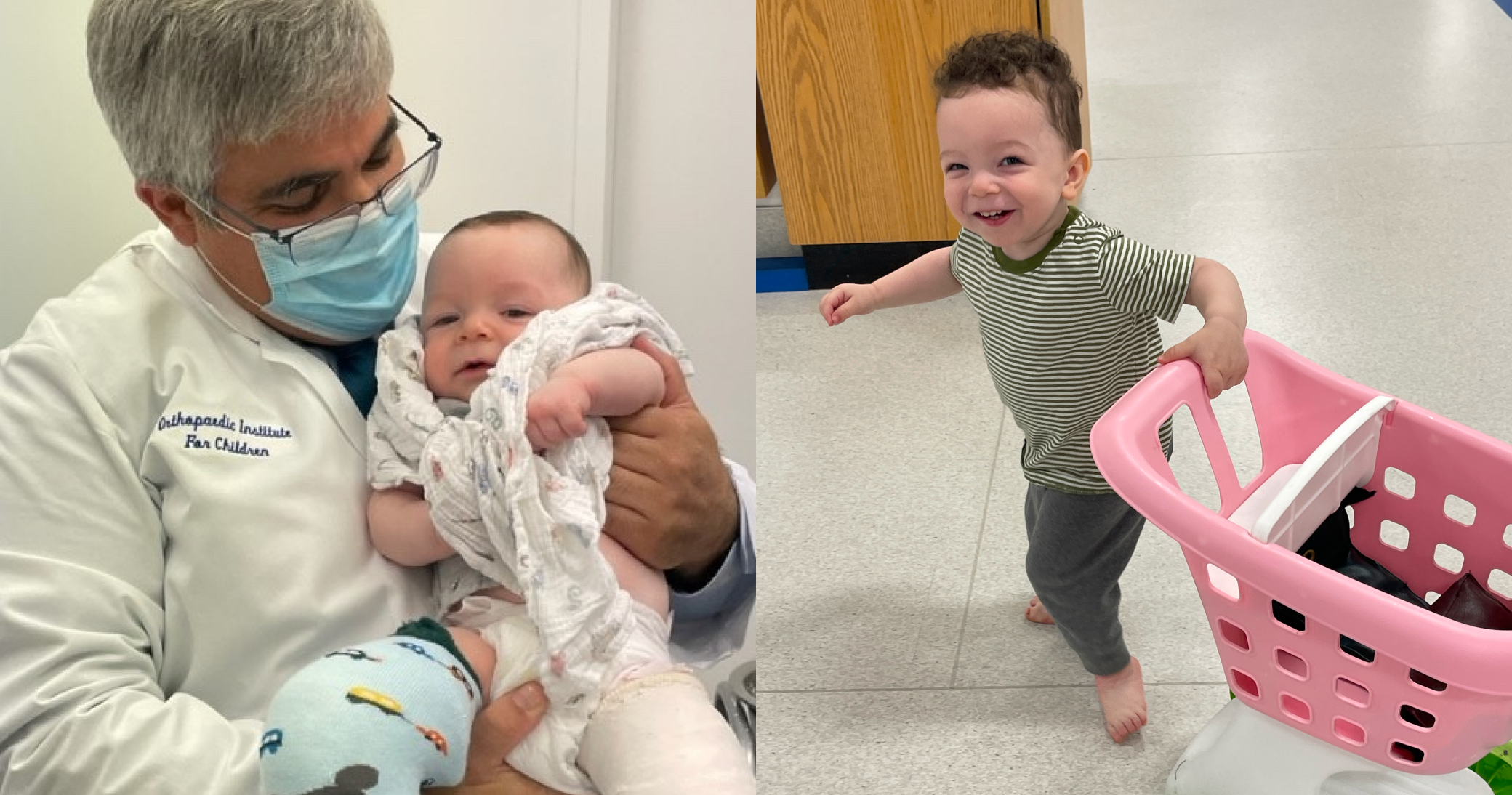
Here are 5 interesting facts about the Ponseti method and how it is used to help clubfoot.
1. Manipulation and Casting
· Initial Assessment: The process begins with a thorough assessment of the baby’s clubfoot. The foot is gently manipulated to assess its flexibility and to understand the severity of the deformity.
· Gentle Manipulation: The foot is gently manipulated into a corrected position. The healthcare provider does not force the foot but rather guides it gradually to allow the muscles, ligaments, and bones to adapt naturally.
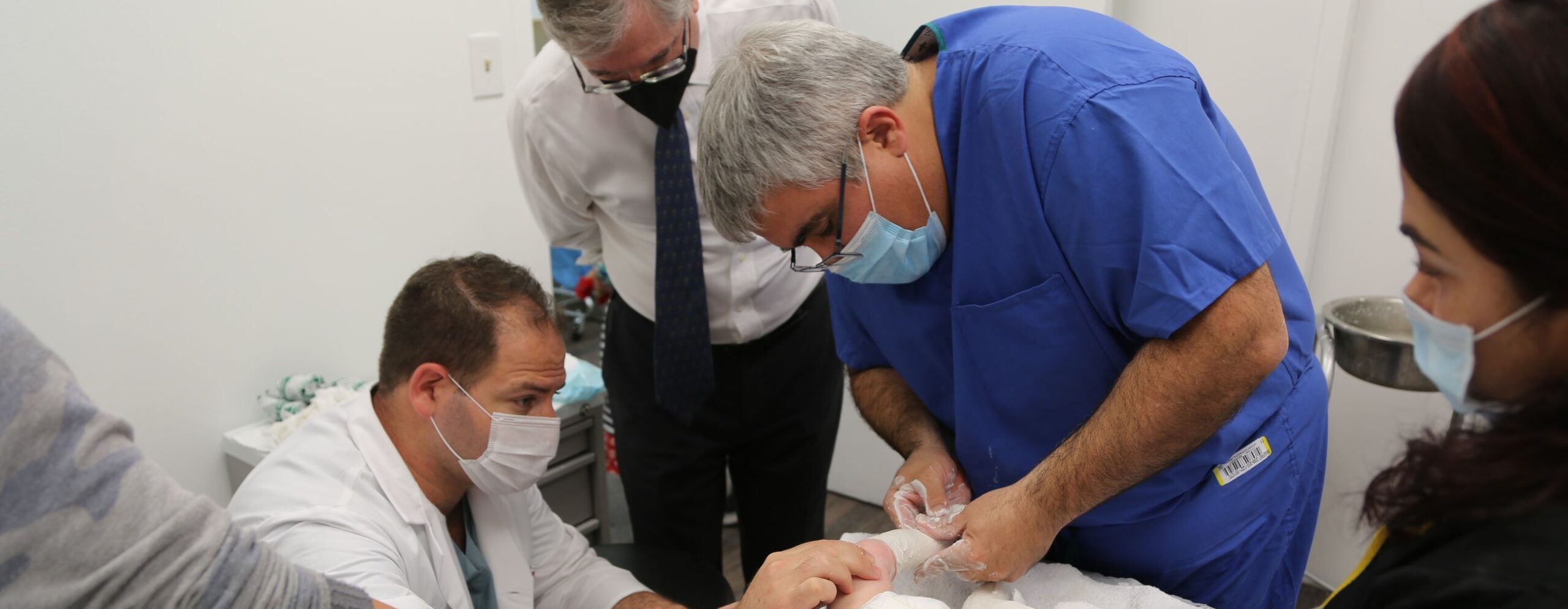
· Casting: After each manipulation, the foot is placed in a cast to maintain the amount of correction achieved. The cast is typically made of plaster or fiberglass. The casting is done in a way that gradually improves the foot’s position with each cast change.
· Weekly Cast Changes: The cast is changed weekly, and during each change, the foot is gently manipulated a bit further toward the correct position. This gradual process allows for the correction of the deformity over several weeks.
2. Achilles Tenotomy
· Indications: After several weeks of casting, there might be residual tightness in the Achilles tendon preventing a complete correction of the deformity. If that is the case, the Achilles tendon is cut to complete the correction.
· Minor Procedure: Achilles tenotomy is a minor surgical procedure performed under local anesthesia. It involves a small incision on the back of the ankle. The Achilles tendon is cut, allowing it to lengthen and facilitating further correction of the foot’s position.
· Healing: Following the procedure, the baby’s foot is re-casted for a few weeks to allow the tendon to heal in the lengthened position.
3. Bracing
· Purpose: Bracing is crucial for maintaining the corrected position of the foot.
· Types of Braces: Mitchell-Ponseti or similar braces are commonly used. These braces are designed to keep the foot in the corrected position.
· Bracing Regimen: The braces are worn full-time (23 hours a day) for a period of 3 months. After that, braces are worn during nap and night time to prevent relapses. Depending on the severity of the clubfoot, up to 5 years of bracing might be necessary.
· Importance of Compliance: Adherence to the bracing regimen is vital. Parents are educated on proper bracing techniques, and regular follow-up appointments with the healthcare provider ensure that the braces are fitting well and the correction is maintained.
4. Follow-up Care
· Regular Monitoring: At LuskinOIC, the child’s progress is monitored through regular follow-up appointments with an orthopaedic specialist experienced in the Ponseti method.
· Adjustments: During follow-up visits, the orthopaedic specialist experienced in the Ponseti method assesses the foot’s development and makes any necessary adjustments to the bracing regimen to ensure the correction is maintained as the child grows.
5. Physical Therapy
· Purpose: Physical therapy might be recommended to help the child develop strength and coordination in the corrected foot.
· Exercises: Therapists provide exercises and activities to enhance the child’s motor skills and muscle strength, ensuring the corrected foot functions properly.
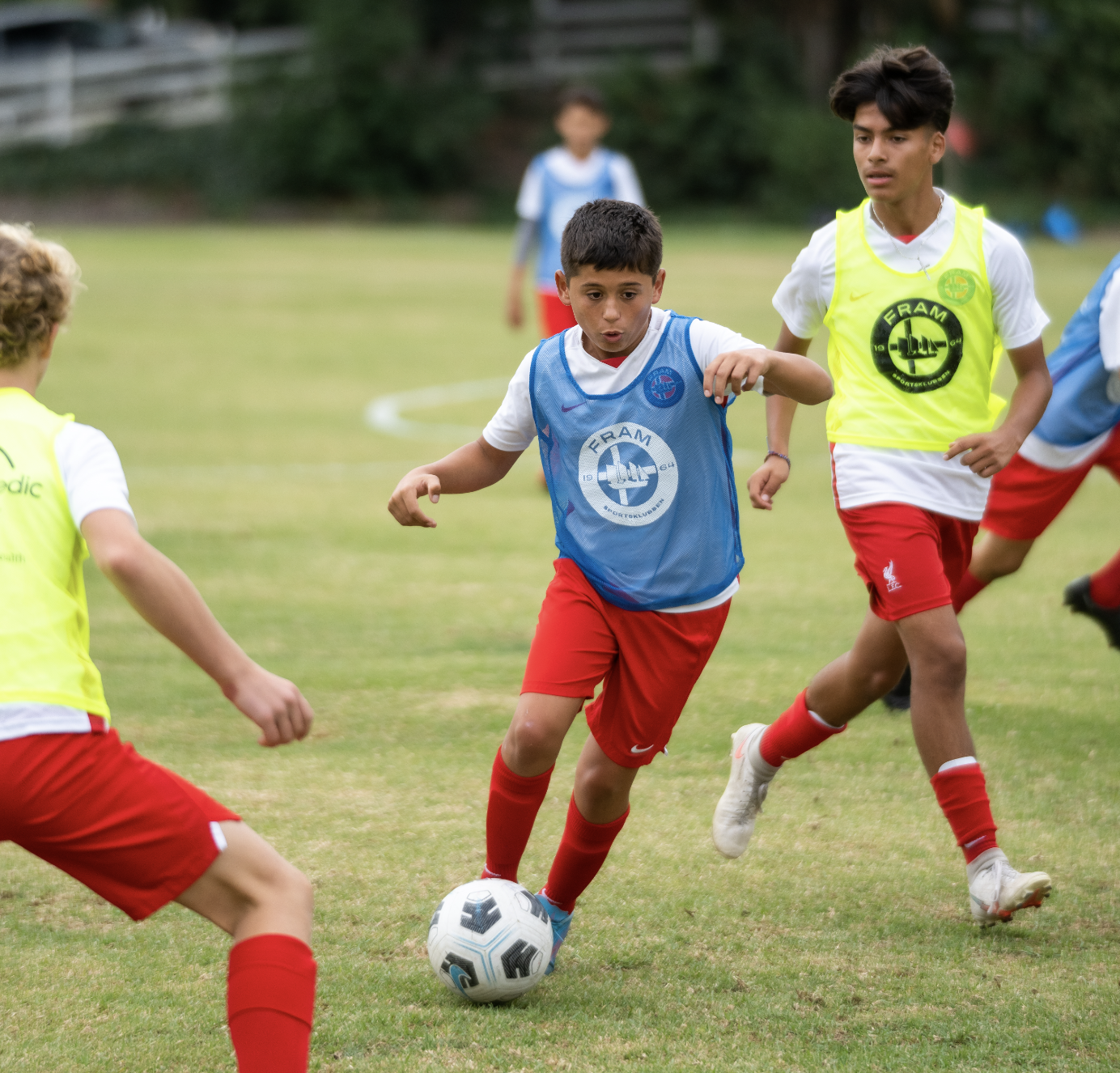
Sprains and strains are some of the most common sports-related injuries among children. A sprain occurs when a ligament is stretched or torn, while a strain refers to an injury to a muscle or tendon. These injuries often happen during activities that involve sudden movements, changes in direction, or overexertion. Sprained ankles, pulled hamstrings, and ACL tears (which we talk more in depth here) are common examples of this type of injury.
Prevention Tips:
Encourage proper warm up and cool down routines before and after sports activities
Make sure your child wears appropriate protective gear, such as supportive footwear and braces
Teach your child the importance of staying hydrated and not pushing themselves beyond their limits
2) Growth Plate Injuries
Growth plate injuries, often referred to as physeal fractures, occur at the growth plates, areas of developing tissue located at the end of long bones in children. Since these plates are more delicate than the mature bone, they are more prone to fractures during high-impact activities or accidents. Growth plate injuries can disrupt normal bone growth and development, potentially leading to long-term complications if not managed properly. Some sports such as boxing or football can have the potential for damaging the plates.
Prevention Tips:
Ensure that children engage in age-appropriate and skill-level specific activities. Gradually introduce new exercises and techniques, allowing their bodies to adapt and build strength over time.
Encourage participation in a variety of sports and activities rather than focusing solely on one.
Prioritize rest days and sufficient sleep for young athletes. Adequate rest supports the body’s natural growth and recovery processes, lowering the risk of overuse injuries that can impact growth plates.
3) Fractures and Dislocations
Fractures and dislocations can occur when children fall, collide with others, or experience direct blows while playing sports. Bones in the wrist, forearm, ankle, and collarbone are particularly vulnerable. These injuries are more prevalent in contact sports like football, boxing, and martial arts.
Prevention Tips:
Ensure your child uses appropriate safety equipment like helmets, knee pads, and mouth-guards.
Ensure playing surfaces are well-maintained and free from hazards.
Encourage coaches and trainers to emphasize proper techniques and safe play.
4) Overuse Injuries
Overuse injuries are a result of repetitive stress on muscles, tendons, and bones over time. Young athletes involved in activities that require repetitive movements, such as running, swimming, or pitching, are at higher risk. Common overuse injuries include tennis or golf elbow, stress fractures, and swimmer’s shoulder.
Prevention Tips:
Encourage your child to participate in a variety of sports and not specialize in one too early.
Monitor training intensity and ensure adequate rest days in between intense workouts.
Teach your child to listen to their body and communicate any pain or discomfort to coaches and parents.
5) Concussions
Concussions are a type of traumatic brain injury that can occur in contact sports or any activity with a risk of falling, such as football, hockey or basketball. While not always obvious, concussions should be taken seriously as they can have long-term consequences on a child’s health and cognitive function.
Prevention Tips:
Make sure your child wears appropriate headgear and helmets, especially in contact sports.
Teach coaches and staff about concussion protocols, emphasizing the importance of reporting and managing potential head injuries.
While sports offer numerous benefits for children, it’s crucial to be aware of the potential risks of sports-related injuries. By following proper safety guidelines, encouraging a well-rounded approach to sports, and being attentive to your child’s physical well-being, you can help reduce the likelihood of injuries and create a safe and enjoyable environment for your young athlete. Remember, early injury prevention and management can lead to a lifetime of active and healthy living.
At Luskin Orthopaedic Institute for children, our providers are experts in treating a variety of orthopaedic conditions, including sport injuries. To schedule an appointment, call our office at (213) 742-1162.
Your child might struggle with the clubfoot brace, at first. To help them overcome their initial fussiness:
Show them how to kick and swing their legs together while wearing the brace (if it has a solid bar) by pushing and pulling on the bar to bend and then straighten the knees.
Move their legs up and down as well (if the brace has a dynamic bar).
Encourage your child to practice these movements on their own.
2. Apply padding to the bar
Foam, such as a piece of swimming pool noodle, or bicycle handlebar pads can fit over the bar to:
Protect your child from accidental bumps or bruises
Keep you safe from unintentional injuries as well
Reduce the risk of the bar accidentally damaging your furniture
3. Keep an eye on your child’s skin
Bracing can cause minor redness on your child’s skin. Keep in mind that:
You should take a look at your child’s feet a few times each day when they first start bracing.
If you see severe red patches or blisters—particularly near the back of the heel—the straps or buckles might be too loose, allowing the heel to slip.
Applying lotion to your child’s skin will only make things worse.
4. Create a bracing schedule and stick to it
Eventually, your child will need to wear the brace only during naptime and at night. Incorporate the brace into their bedtime routine by:
Applying the brace in the same place (such as the bedroom) each time.
Fitting bracing into the rest of the routine—such as after bath but before storytime.
Staying consistent with this routine as much as possible, even if you are not at home.
Join the LuskinOIC Newsletter for news, updates, stories, and more!
Knowing When to Seek Care for Your Child: A Guide from LuskinOIC
As a parent, your top priority is keeping your child safe and healthy. But when your child is sick or injured, it can be hard to know what level of care they need. Should you call your pediatrician, visit urgent care, or head straight to the emergency department?
When to Call Your Pediatrician or Visit Urgent Care
For non-emergencies, your child’s pediatrician or a pediatric urgent care center is often the best place to start. If your child’s doctor isn’t available—such as during evenings or weekends—urgent care can provide fast, effective treatment. Contact your pediatrician or visit urgent care if your child has:
A fever lasting more than 3 days
A fever over 102°F for more than 2 days in an infant, without a clear cause
Symptoms of COVID-19 (fever, dry cough, runny nose)
Minor injuries like sprains, strains, or swelling
Cuts that may need stitches
Minor burns
Nausea, vomiting, or diarrhea
Bladder or urinary tract infections
Cold symptoms, coughs, or sore throats
Earaches or sinus pain
Skin concerns like rashes or irritation
You may also have access to virtual urgent care for non-emergency issues, allowing your child to be seen by a provider from home. Check if pediatric virtual urgent care services are available in your area.
When to Go to the Emergency Department
If your child is seriously injured or ill—especially if the condition may be life-threatening or needs immediate attention—take them to the emergency department (ED). Seek emergency care if your child:
Is extremely drowsy, hard to wake, or behaving unusually
Is experiencing severe or constant pain
Has trouble breathing, or is breathing rapidly or deeply
Has a suspected broken bone, a visibly deformed limb, or a lot of swelling and pain
Has a deep or large cut, a cut that won’t stop bleeding after 10 minutes of pressure, or a wound on the head, chest, or abdomen
Sustains a head injury that causes vomiting, confusion, a severe headache, or loss of consciousness
Falls from a significant height
Ingests a harmful substance or medication
If your child is alert, call Poison Control at 1-800-222-1222
If your child is unresponsive, having trouble breathing, or has collapsed, call 911
Is under 2 months old and has a fever of 100.4°F (38°C) or higher (call your doctor first)
Has a high fever along with a stiff neck or headache
Has a fever along with a widespread purple or red rash
Shows signs of severe dehydration (no wet diapers, sunken eyes, dry mouth, weakness, or inability to drink or respond)
Your child’s health matters. When in doubt, trust your instincts—and don’t hesitate to seek care. LuskinOIC is here to support your family with trusted pediatric expertise every step of the way.