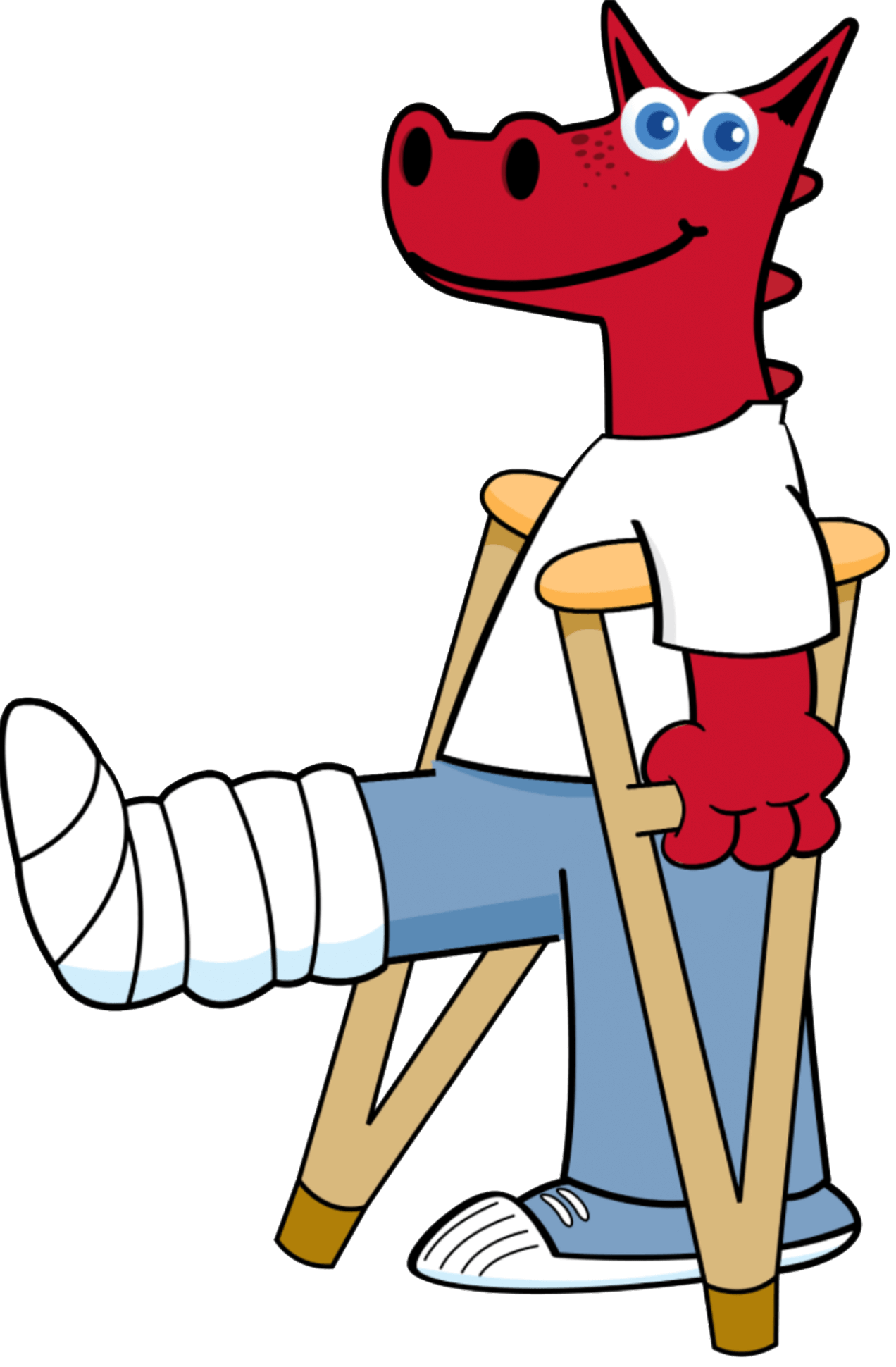
L.U.S.K.I.N. Method: A Modern Approach to Pediatric Injury Recovery
This blog post is for educational purposes only and should not replace professional medical advice. Always consult with a healthcare provider for diagnosis and treatment of injuries.
When your child experiences a sports injury or accident, knowing the right steps to take can make all the difference in their recovery. While many parents are familiar with the classic R.I.C.E. method (Rest, Ice, Compression, Elevation), our orthopedic team has developed an enhanced approach specifically designed for young, active bodies: the L.U.S.K.I.N. method.
What Makes L.U.S.K.I.N. Different?
The L.U.S.K.I.N. method builds upon traditional recovery principles while incorporating modern research about healing and rehabilitation. This comprehensive approach recognizes that recovery isn’t just about rest—it’s about strategic movement, proper support, and understanding the different phases of healing.

Understanding Each Step of L.U.S.K.I.N.
L – Load: Gradually Increase Pressure
After giving an injury proper rest for 48-72 hours, it’s time to begin carefully reintroducing weight and pressure. This gradual loading helps maintain muscle strength, promotes blood flow, and prevents the stiffness that can come from prolonged immobility. Think of it as teaching the injured area to be strong again, one small step at a time.

U – Use Compression
Wrapping the injured area with elastic bandages serves two important purposes: controlling swelling and providing supportive stability. Compression helps reduce inflammation by preventing fluid buildup, while also giving your child a sense of security and support during early recovery. Just remember—compression should feel snug but never tight enough to cut off circulation.

S – Stay Moving
Contrary to older advice about complete immobilization, gentle movement within pain-free ranges actually accelerates healing. This doesn’t mean returning to sports right away, but rather performing gentle exercises that keep joints flexible and muscles engaged. Movement promotes circulation, reduces scar tissue formation, and helps maintain your child’s overall conditioning.

K – Keep It Elevated
Elevation remains one of the simplest yet most effective recovery tools. By positioning the injured area above heart level when resting, gravity naturally helps drain excess fluid away from the injury site. This reduces both swelling and pain, making your child more comfortable during the critical early healing phase.

I – Ice for Pain
Ice continues to be valuable for managing pain and inflammation. Applying an ice pack for 15-20 minute intervals provides relief while avoiding the tissue damage that can occur from over-icing. It’s particularly helpful after gentle exercises or activities as your child begins returning to normal movement patterns.

N – New Injuries Need Rest
The foundation of all recovery starts here: respecting the injury during those crucial first 24-72 hours. This initial rest period allows the body to begin its natural healing process without the risk of additional damage. It’s during this time that inflammation is at its peak, and protection is most important.

Putting L.U.S.K.I.N. Into Practice
The beauty of the L.U.S.K.I.N. method lies in its progression. It acknowledges that recovery has different phases, each requiring specific care:
Days 1-3: Focus on the “N” and “K”—rest and elevation are your priorities, with ice for pain management and compression for support.
Days 3-7: Begin incorporating the “L” and “S”—gentle loading and pain-free movement, while continuing elevation, compression, and ice as needed.
Week 2 and Beyond: Gradually increase activity levels while using all L.U.S.K.I.N. principles as guides for safe progression.
When to Seek Medical Attention
While the L.U.S.K.I.N. method is effective for many minor injuries, certain situations require immediate medical evaluation:
- Severe pain that doesn’t improve with rest and ice
- Significant swelling that worsens despite elevation and compression
- Inability to bear weight or move the injured area
- Numbness, tingling, or color changes in the affected limb
- Visible deformity or suspicion of a fracture

Supporting Your Child’s Recovery Journey
Recovery can be frustrating for active children who want to return to play immediately. Help them understand that following the L.U.S.K.I.N. method isn’t about being sidelined—it’s about healing properly so they can return to their favorite activities stronger and safer.
The Bottom Line
The L.U.S.K.I.N. method represents a balanced, evidence-informed approach to pediatric injury recovery. By combining appropriate rest with strategic movement, proper support, and effective pain management, we give young bodies the best opportunity to heal completely and return to the activities they love.
Have questions about implementing the L.U.S.K.I.N. method for your child’s specific injury? Our orthopedic team is here to provide personalized guidance and support throughout the recovery process.
The LUSKIN method aligns with current the current guidelines from the ACSM The American College of Sports Medicine and the American Medical Society for Sports Medicine note that prolonged rest and immobilization are detrimental, and early mobilization and rehabilitation are now prioritized to promote healing and restore function. [4]
The shift away from RICE reflects a move toward evidence-based, functional rehabilitation strategies that optimize recovery and minimize chronic disability.[4][1][6]
1. Ankle Stability and Movement Coordination Impairments: Lateral Ankle Ligament Sprains Revision 2021. Martin RL, Davenport TE, Fraser JJ, et al. The Journal of Orthopaedic and Sports Physical Therapy. 2021;51(4):CPG1-CPG80. doi:10.2519/jospt.2021.0302.
4. Initial Assessment and Management of Select Musculoskeletal Injuries: A Team Physician Consensus Statement. Herring SA, Kibler WB, Putukian M, et al. Medicine and Science in Sports and Exercise. 2024;56(3):385-401. doi:10.1249/MSS.0000000000003324.
6. Acute Ankle Sprain Management: An Umbrella Review of Systematic Reviews. Gaddi D, Mosca A, Piatti M, et al. Frontiers in Medicine. 2022;9:868474. doi:10.3389/fmed.2022.868474.
Luskin Orthopaedic Institute for Children
Los Angeles's best in Pediatric Orthopaedic Care Since 1911