Pediatric Orthopedic Care Built for Growing Bodies at Every Age and Every Stage
Children’s developing bones, joints, and growth plates require a specialist who truly understands pediatric orthopedics. At LuskinOIC, our Los Angeles team has dedicated their careers to caring for young patients from newborns through young adults.
Expert Orthopedic Care
Diagnosis, treatment, surgery if needed, and physical therapy all coordinated under one roof in Los Angeles.
Clear Return-to-Play Plans
Your child will know exactly what milestones to hit to get back safely, and our team will help them get there.
Injury Prevention Built In
Every recovery plan includes strategies to protect against future injury because the best outcome is never going through this again.
Accessible to Every Family
Financial assistance is often available, making us the top choice for LA families regardless of insurance status.
Why LA Families Choose LuskinOIC for Pediatric Sports Medicine
When a young athlete gets hurt, the pressure to recover fast is real. But returning too soon is one of the biggest risk factors for reinjury, and a setback that can affect your child for years. At LuskinOIC, we do not just treat the injury. We build a complete, personalized recovery plan designed around your child’s sport, body, and goals.

Ready to get your child the care they need?
Call us today or start the patient process online. Most families are seen quickly, and financial assistance is available for those who qualify.

Infants and Toddlers
From hip dysplasia to clubfoot, early intervention makes a lifelong difference. Our pediatric orthopedic specialists in Los Angeles use the gentlest, most effective treatments for our youngest patients, keeping families informed and supported at every step.

Children
A fracture or persistent pain should not define your child’s childhood. We treat the injury while protecting what matters most: your child’s long-term growth, development, and ability to thrive now and for years to come.

Adolescents and Teen Athletes
A sports injury can feel like the end of a season or a dream. Our Los Angeles pediatric sports medicine team builds evidence-based return-to-play plans that get teen athletes back safely, with a focus on long-term joint health and reinjury prevention.
Frequently Asked Questions
Common questions from Los Angeles parents about pediatric sports medicine and orthopedic care at LuskinOIC.
Rehabilitation is a key part of recovering from any pediatric sports injury. Physical therapy at LuskinOIC helps restore range of motion, rebuild muscle strength, and get your child moving confidently again. The earlier treatment begins, the better the outcome tends to be.
If your child is struggling with pain, talk to our team. We will discuss medications, stress reduction strategies, and other approaches suited to your child’s needs. Because you know your child best, we keep parents involved at every stage, explaining goals clearly and giving you tools to motivate at-home exercises.
Returning to sport too soon is one of the leading causes of reinjury in young athletes. Our pediatric sports medicine surgeons and physical therapists use specific, evidence-based return-to-play criteria including strength assessments, agility tests, and symmetry evaluations to confirm your child is truly ready, not just eager.
We walk you and your child through every milestone so the return to play is confident, safe, and lasting.
LuskinOIC accepts most major insurance plans. We also offer financial assistance for families who qualify, because we believe every child in Los Angeles deserves access to expert pediatric orthopedic care regardless of their family’s financial situation. Call us at (213) 741-8334 and our team will help you understand your options.
Getting started is simple. You can call us directly at (213) 741-8334, request a referral from your pediatrician, or visit our Become a Patient page to start online. We see patients from across the greater Los Angeles area and welcome self-referrals. No prior referral is required to get started.
Sports Injuries and Conditions We Treat in Los Angeles
A sports injury can happen in an instant, but without proper pediatric orthopedic care the consequences can last a lifetime. LuskinOIC’s Center for Sports Medicine in Los Angeles provides specialized treatment for the full range of youth sports injuries. Each condition below includes links to home exercise guides and detailed condition pages from our Health Information Library.
The Achilles tendon is the largest tendon in the body, connecting the calf muscles to the heel bone. Common injuries include overuse injuries, typically referred to as tendonitis.
The anterior cruciate ligament (ACL) is one of the four major ligaments in the knee and provides stability. A common ACL injury is a tear, which can occur during rapid changes in direction or landing from a jump.
An ankle sprain happens when an ankle ligament gets stretched or torn. Ligaments are the fibrous tissue that connects one bone to another. Ankle sprains are one of the most common youth sports injuries.
This DIP Program consists of a warm-up, stretching, strengthening, plyometrics, and sport specific agilities to address potential deficits in the strength and coordination of the stabilizing muscles around the knee joint.
A fracture is a broken bone. Some fractures are caused by a single traumatic event, while others result from repetitive overuse over time. In children, fractures require careful attention to protect active growth plates.
The iliotibial band (IT band) is a tendon that runs down the length of the outer thigh, from the top of the pelvis to the shin bone. IT band syndrome is an overuse injury of this tendon, common in runners and cyclists.
A meniscus tear occurs in the rubbery knee cartilage that cushions the shinbone from the thigh bone. The meniscus can tear with forceful twisting or rotation of the knee and is one of the most common sports injuries in young athletes.
Osteochondritis dissecans (OCD) is a joint condition that develops when a small portion of bone cracks, loosens, and separates from the surrounding tissue due to a lack of blood supply. It is most common in the knee but can affect other joints.
The patella is the kneecap. When the kneecap slides out of its normal position, it is called patella subluxation (partial) or dislocation (complete). This is a painful injury that often requires prompt treatment to prevent it from happening again.
The patellar tendon is located at the front of the knee and allows your child to run and jump. When this tendon becomes inflamed it is called patellar tendonitis, also known as “jumper’s knee.” It is common in basketball, volleyball, and track athletes.
The patellofemoral joint is where the kneecap and thigh bone meet at the front of the knee. When this joint becomes inflamed it is called patellofemoral syndrome, also known as runner’s knee. It is a frequent complaint in young distance runners and soccer players.
The plantar fascia is a long, thin ligament on the bottom of the foot that connects the heel to the toes and supports the arch. Plantar fasciitis occurs when this ligament becomes irritated and inflamed, causing heel pain that can make it hard for young athletes to train.
Sever’s disease is a type of bone injury in the foot that happens during periods of rapid growth. It causes swelling and pain in the heel and is one of the most common causes of heel pain in active children ages 8 to 14.
Spondylolysis is a stress fracture of one or more spinal vertebrae. Spondylolisthesis occurs when a vertebra slips out of position, usually near the bottom of the spine. The two conditions are related, and spondylolysis can sometimes lead to spondylolisthesis if not treated properly.
Your child deserves expert pediatric orthopedic care.
Let’s get started.
LuskinOIC has been Los Angeles’ trusted children’s orthopedic and sports medicine institute for over 50 years. Call us or start the patient process online today.
Elite Sports Medicine Expertise, Now Caring for Your Child
Our sports medicine physicians serve as official team doctors for professional and collegiate sports organizations across Los Angeles. That same level of expertise is available to every child and teen athlete who walks through our doors.
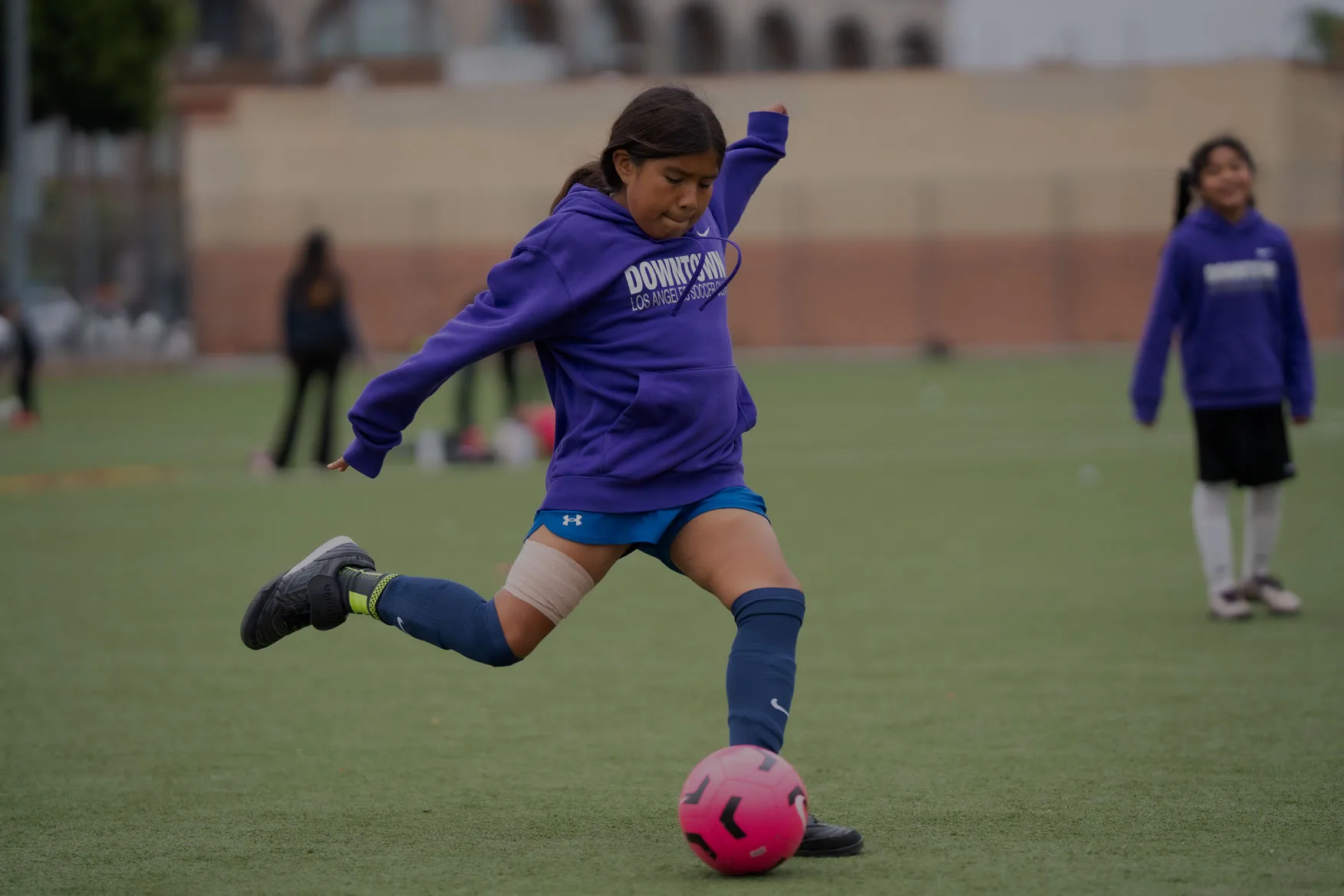
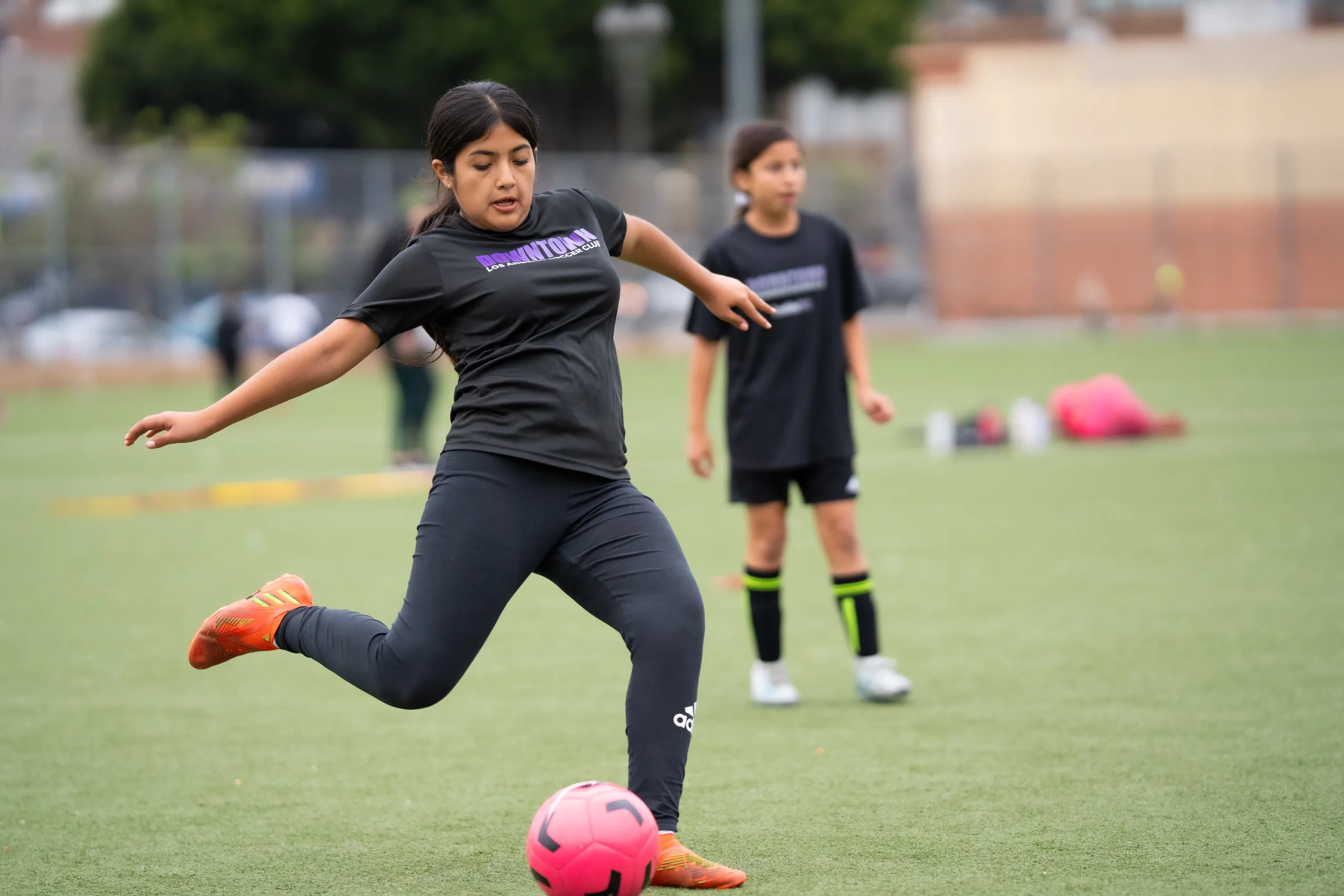
LuskinOIC also proudly sponsors youth sports teams across Los Angeles, including the DTLA Girls Soccer Club, Torrance Dirt Devils Baseball, and El Segundo Little League because we believe every child deserves access to great sports medicine care, not just elite athletes.
Our Experts in Sports Medicine
LuskinOIC's award-winning doctors and support teams create personalized treatment plans based on each child's unique needs.
View All Specialists


Success Stories
Make a Referral to LuskinOIC for Sports Medicine
Center for Sports Medicine
(213) 741-8334
Medical Professional's Help Line:
(213) 741-8325
Fax Referrals:
(213) 741-8338
Hours:
8:00 AM – 4:00 PM, Monday–Friday
At LuskinOIC’s Center for Sports Medicine, we have a long track record of helping young athletes get back in the game—whether it’s a team sport, or an individual passion like skateboarding. When you refer your patients to us, you can be sure they’ll receive the highest quality care from renowned experts in sports medicine.We make it easy for your patients to get the specialized care they need onsite from a singular destination. Your patients and their families can expect to access everything they need to make a full recovery at our Center for Sports Medicine.
- Diagnostic tests and imaging, such as CT scans and MRIsSame-day care for orthopaedic sports injuries, including same-day surgery
- Next-day follow-up and specialist appointments
- Surgical and non-surgical treatment
- Long-term follow-up care, including physical therapyPartnerships with team coaches to support recovery
We specialize in helping young athletes get back in the game by tailoring our treatments to each child’s unique needs. Our approach goes beyond treating tendonitis or meniscus tears and providing physical therapy. At LuskinOIC, we provide accessible expertise, often free of charge, making us the top choice for an athlete to get back in the game.
We address all aspects of our patients’ journey to recovery, including:
- Providing expert clinical care
- Making sure young athletes understand what it will take to return to their activity—and helping them get there
- Helping prevent further injury or reinjury
You can count on us to be there every step of the way to provide guidance, help keep your child motivated, and answer any questions you have.